Property Management Smyrna GA: Why Investors Trust PeachHaus for Their Rentals
Investing in rental properties can be a lucrative venture, especially in a thriving market like Smyrna, Georgia. This article explores the essential aspects of property management in Smyrna and highlights why investors consistently choose PeachHaus for their rental needs. Readers will gain insights into the local rental market, the benefits of professional property management, and the comprehensive services offered by PeachHaus. Many investors face challenges in maximizing their rental returns and ensuring tenant satisfaction. PeachHaus provides tailored solutions that address these pain points effectively. We will delve into Smyrna’s rental market trends, the unique advantages of partnering with PeachHaus, and the transparent fees and guarantees that make this partnership a smart choice for investors.
Why Is Smyrna a Prime Location for Rental Property Investment?
Smyrna, Georgia, has emerged as a prime location for rental property investment due to its robust economic growth and appealing community features. The city’s strategic location near Atlanta, combined with its family-friendly atmosphere, makes it an attractive option for both renters and investors. Understanding the local market dynamics is crucial for making informed investment decisions.
What Are the Current Smyrna Rental Market Trends and Statistics?
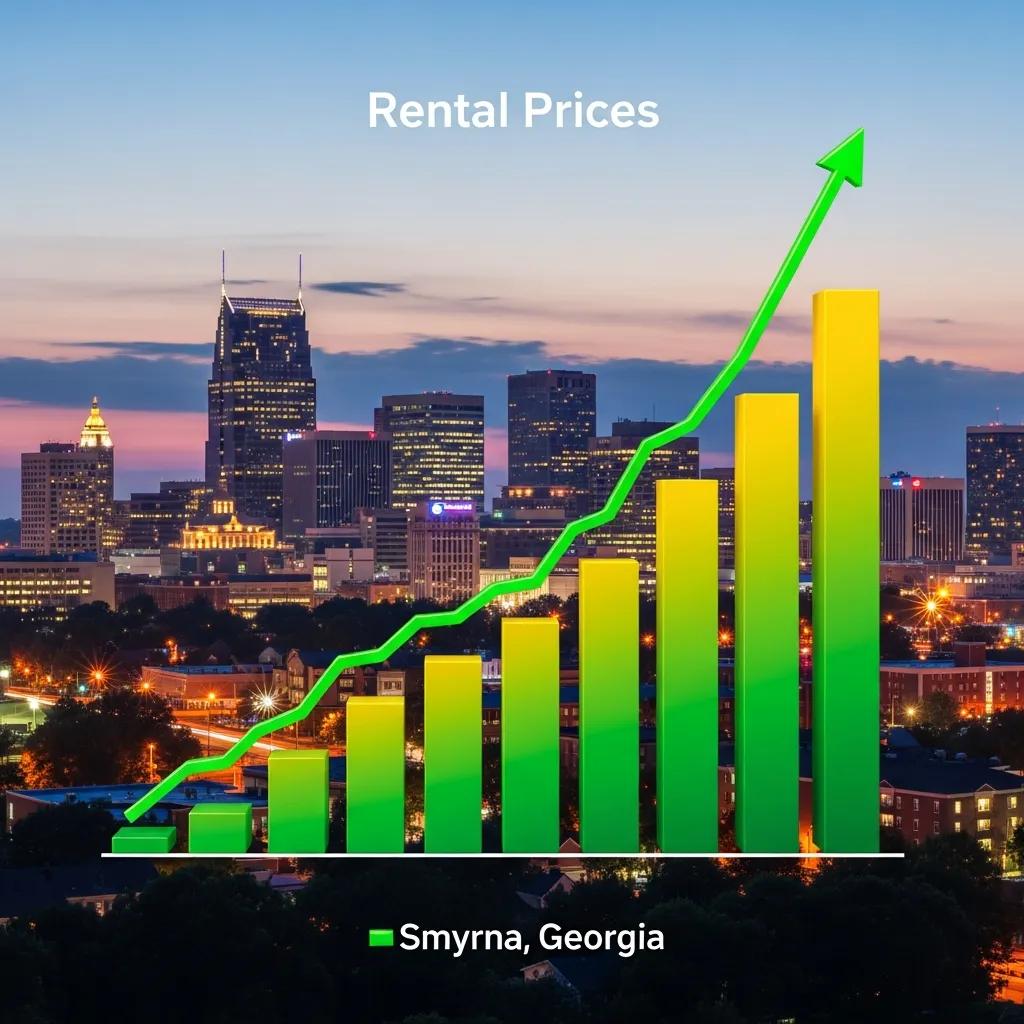
The Smyrna rental market has shown promising trends, with average rents steadily increasing over the past few years. Current statistics indicate that the average rent for a two-bedroom apartment is approximately $1,700 to $1,800, with a vacancy rate of around 6%. Market growth predictions suggest a continued upward trajectory, driven by the influx of new residents and the development of local amenities.
How Does Smyrna’s Local Economy Support Rental Property Growth?
Smyrna’s local economy is characterized by strong job growth and a diverse employment base. The city has seen significant investments in infrastructure and business development, contributing to a stable economic environment. Population trends indicate a steady increase, with many young professionals and families moving to the area, further supporting the demand for rental properties.
What Makes PeachHaus the Best Property Management Company in Smyrna?
PeachHaus stands out as a property management company in Smyrna, offering a blend of local expertise and comprehensive services tailored to investors’ needs. Their commitment to maximizing rental returns and ensuring tenant satisfaction sets them apart in a competitive market.
How Does PeachHaus Maximize Rental Returns for Smyrna Investors?
PeachHaus employs strategic marketing techniques to attract quality tenants quickly. Their focus on tenant retention through customer service and regular property upgrades helps ensure that investors see a consistent return on their investments. Case studies show that properties managed by PeachHaus experience lower vacancy rates and higher tenant satisfaction.
Why Do Investors Trust PeachHaus for Stress-Free Property Management?
Investors trust PeachHaus due to their transparent communication and proven track record of success. The company prioritizes reliability and service quality, ensuring that property owners feel confident in their management decisions. Testimonials from satisfied clients highlight the peace of mind that comes with partnering with a trusted property management firm.
Which Comprehensive Property Management Services Does PeachHaus Offer in Smyrna?
PeachHaus provides a wide range of property management services designed to meet the diverse needs of Smyrna investors. Their comprehensive approach ensures that every aspect of property management is handled efficiently and effectively.
How Does PeachHaus Ensure Quality Tenants Through Tenant Screening?
PeachHaus implements a tenant screening process that includes background checks, credit history evaluations, and rental history assessments. This approach helps ensure that qualified tenants are placed in properties, reducing the risk of late payments and property damage.
What Are PeachHaus’s Rent Collection and Financial Reporting Practices?
PeachHaus utilizes efficient rent collection methods and provides detailed financial reporting to property owners. Rent is collected electronically, ensuring timely payments, while regular financial reports keep investors informed about their property’s performance. This transparency fosters trust and allows for better financial planning.
How Does PeachHaus Handle Property Maintenance and Legal Compliance for Smyrna Rentals?
Effective property maintenance and legal compliance are critical components of successful property management. PeachHaus takes a proactive approach to ensure that properties are well-maintained and compliant with local regulations.
What Proactive Maintenance and Inspection Services Does PeachHaus Provide?
PeachHaus offers regular inspections and preventative maintenance services to address potential issues before they escalate. Their network of trusted service partners ensures that repairs are handled promptly and efficiently, maintaining the property’s value and tenant satisfaction.
How Does PeachHaus Support Eviction Protection and Legal Compliance?
PeachHaus provides support for eviction processes and legal compliance. Their team stays updated on local laws and regulations, ensuring that property owners are protected from potential legal issues. This approach minimizes risks and enhances the overall management experience.
What Are the Transparent Fees and Guarantees Offered by PeachHaus in Smyrna?
Understanding the fee structure and guarantees offered by PeachHaus is essential for investors considering property management services. Their transparent pricing model ensures that clients know what to expect.
How Does PeachHaus Structure Its Property Management Fees?
PeachHaus structures its property management fees based on a percentage of the monthly rent, typically around 8-10%. This performance-based model aligns the company’s interests with those of the property owners, ensuring that both parties benefit from successful management.
What Guarantees Does PeachHaus Provide to Smyrna Rental Investors?
PeachHaus offers several guarantees to rental investors, including satisfaction guarantees and performance guarantees. These assurances provide peace of mind, knowing that the company is committed to delivering high-quality management services and achieving optimal results.
How Can Investors Partner with PeachHaus for Successful Smyrna Rental Management?
Partnering with PeachHaus is a straightforward process that begins with a free rental analysis. This analysis helps investors understand their property’s potential and the services that PeachHaus can provide.
What Do Smyrna Investors Say About Their Experience with PeachHaus?
Smyrna investors consistently report positive experiences with PeachHaus, highlighting the company’s professionalism and dedication to client success. Many testimonials emphasize the stress-free management experience and the significant returns achieved through their services.
How to Get a Free Rental Analysis and Start with PeachHaus?
To get started with PeachHaus, investors can easily request a free rental analysis by contacting the company directly. This initial step provides valuable insights into the rental market and helps investors make informed decisions about their properties.
Service
Fee Structure
Guarantee
Property Management
8-10% of monthly rent
Satisfaction Guarantee
Tenant Placement
One month’s rent
Performance Guarantee
Maintenance Services
Cost of repairs + 10%
Quality Assurance
This table outlines the transparent fee structure and guarantees offered by PeachHaus, ensuring that investors can make informed decisions about their property management needs.
Marietta Property Management Services to Maximize Rental Income
Marietta property management focuses on applying local market intelligence, operational efficiency, and legal compliance to increase net rental income for landlords across Cobb County. This article shows how targeted pricing, tenant screening, maintenance coordination, and transparent financial reporting work together to boost occupancy and cash flow while reducing landlord workload. Landlords often struggle with setting competitive rents, minimizing vacancy, and handling legal complexities; professional management solves these by combining data-driven pricing, reliable vendor networks, and routine property care. Readers will learn the primary benefits of hiring a Marietta manager, the full scope of services offered, how local market analysis informs pricing, typical fee structures and value comparisons, legal and eviction workflows in Georgia, and anonymized success stories that illustrate measurable revenue gains. Throughout the guide we use practical lists, EAV comparison tables, and step-by-step processes so you can evaluate management options and request a rental analysis confidently. By the end you will understand concrete actions that maximize rental income and how to engage a local manager for a bespoke ROI review.
What Are the Key Benefits of Hiring Property Management in Marietta GA?
Property management in Marietta increases rental income primarily by combining accurate, market-based pricing with proactive vacancy reduction and efficient operations that lower overhead. Local managers use neighborhood-level data and marketing channels to find qualified tenants faster, which shortens time on market and reduces lost rent. They also enforce rent collection and handle maintenance promptly to protect revenue streams and tenant retention. Below is a concise list of the most impactful benefits so landlords can quickly compare value.
Property management delivers these core advantages:
Higher Net Rent: Market-based pricing and targeted upgrades capture higher monthly rents.
Lower Vacancy: Faster marketing and tenant placement reduce days without income.
Reduced Legal Risk: Professional compliance and eviction handling limit costly mistakes.
Operational Efficiency: Vendor networks and routine inspections lower repair costs and response times.
These benefits compound: higher rents and fewer vacancy days improve annual cash flow, while compliance and efficient maintenance protect asset value and reduce unexpected expenses. Understanding how local expertise produces these outcomes leads into specifics on neighborhood intelligence and day-to-day operational relief, which follow below.
How Does Local Expertise in Marietta Enhance Rental Income?
Local expertise improves rental income by applying granular insights—neighborhood demand, seasonal trends, and tenant preferences—to pricing and marketing decisions. Managers familiar with areas such as Historic Marietta Square and nearby East Cobb know which amenities and lease terms attract long-term renters, and they use that knowledge to position properties competitively. They also monitor local vacancy indicators and adjust promotions or short-term concessions to avoid prolonged vacancies while preserving long-term rent levels. That market-savvy approach reduces guesswork and increases the likelihood of achieving target rents without excessive concessioning.
Local knowledge also speeds tenant placement and attracts higher-quality applicants by leveraging community networks and localized advertising channels. Those channels and the resulting applicant pool inform screening thresholds and amenity investments, which in turn support higher rents and better retention. The next section explains operational tasks managers assume to free landlords from daily hassles while preserving tenant satisfaction.
In What Ways Does Professional Management Reduce Landlord Hassle?
Professional management eliminates routine landlord burdens by handling tenant communications, work-order coordination, and administrative compliance from first contact through lease renewal. Managers respond to repair requests, schedule and oversee vendors, and maintain consistent documentation that supports legal defenses, all of which saves owners time and reduces escalation. Administrative tasks—rent collection, recordkeeping, and monthly owner statements—are centralized through owner portals to improve transparency and reduce disputes. Regular inspections and preventive maintenance programs further decrease emergency repairs and unplanned downtime, which protects rental income.
By shouldering tenant relations and operational workflows, managers free landlords to focus on portfolio strategy rather than day-to-day issues. That operational relief links directly to income preservation because timely repairs and consistent communication improve tenant satisfaction and reduce turnover. The following section lists the comprehensive services that full-service managers typically provide and includes a comparison table summarizing service impacts on income.
Which Comprehensive Property Management Services Are Offered in Marietta?
Comprehensive property management services in Marietta cover the full rental lifecycle: marketing and tenant placement, lease administration, rent collection, maintenance coordination, inspections, and financial reporting. A full-service manager integrates these functions to maximize occupancy and maintain asset condition while ensuring legal and regulatory compliance. Below is a service comparison table that maps core tasks to income-related benefits so landlords can evaluate which services align with their goals.
The following table shows typical service scopes and their direct impact on rental income:
Service
Included Tasks
Impact on Income / Benefit
Tenant Screening & Placement
Advertising, showings, credit and background checks
This table helps landlords compare which managed services directly protect or increase rental income and where adding services yields the greatest ROI. Understanding service coverage leads into a focused look at tenant screening and rent-collection practices that most strongly influence profitability.
Managers commonly include these core services:
Tenant marketing and placement: Full advertising and applicant screening.
Maintenance coordination: Vendor management and inspection scheduling.
Financial services: Automated rent collection and owner statements.
Legal and lease support: Lease drafting, renewals, and compliance oversight.
These bundled services streamline operations and present a unified owner experience that improves revenue capture. After evaluating service scopes, many landlords request an immediate market-based rental assessment; if you want a tailored comparison, get a Free Rental Analysis to see projected income improvement for a specific property.
What Is Included in Tenant Screening and Placement Services?
Tenant screening and placement involve a structured sequence: market-priced listings, targeted advertising, applicant intake, credit and criminal background checks, rental history and reference verification, and income validation. This multi-step screening reduces the probability of problematic tenancies by prioritizing applicants with demonstrated rental stability and financial capacity. Typical placement timelines vary by season and property type, but an effective process focuses on quality over speed to minimize later turnover and eviction costs. Strong initial screening correlates with longer tenancy durations and lower maintenance-related disputes.
Screening tools and referral networks also support more accurate tenant selection by combining automated reports with manual reference checks. That hybrid approach increases detection of risk factors that automated checks alone can miss and therefore lowers potential eviction and repair costs. The next subsection explains how rent collection and transparent reporting further improve profitability.
How Do Rent Collection and Financial Reporting Maximize Profitability?
Automated rent collection systems paired with consistent late-fee policies increase on-time payments and reduce the administrative burden of chasing rent, which directly improves monthly cash flow. Financial reporting—detailed monthly owner statements, expense breakdowns, and digital owner dashboards—gives landlords visibility into income and outflow, enabling faster, data-driven decisions about maintenance and pricing. Tracking KPIs such as days-to-lease, turnover costs, and net operating income helps owners measure performance and identify opportunities to increase revenue. Clear reporting also simplifies tax preparation and investor communications, preserving time and reducing accounting errors.
Efficient collection and reporting processes create predictable income streams and enable quicker responses to underperforming units, linking operational discipline to higher returns. With those financial systems clarified, the next section examines how localized rental market analysis informs smarter pricing strategies.
How Does Marietta Rental Market Analysis Inform Pricing Strategies?
Marietta rental market analysis uses local comps, vacancy signals, seasonal demand, and property-specific attributes to set rents that balance income maximization and occupancy. By analyzing neighborhood-level supply and demand and comparing similar property types, managers calibrate rent to market tolerance and amenity premiums, which minimizes days on market and avoids unnecessary concessioning. Regular cadence for pricing reviews—quarterly or when market conditions shift—keeps rents aligned with current demand and protects long-term yield. The micro-market table below summarizes neighborhood and property-type metrics that guide pricing guidance without relying on stale assumptions.
This neighborhood and property-type comparison helps translate local market signals into pricing decisions:
Neighborhood / Property Type
Key Metrics (avg rent, vacancy signal, time on market)
Pricing Guidance
Historic Marietta Square / 1BR condo
Moderate–Higher rent, low vacancy signal
Premium for walkability and historic charm; prioritize quick showings
East Cobb / Single-family
Higher rent potential, steady demand
Emphasize schools and yard space; set competitive longer-term leases
Close-to-Transit / Small 2BR
Moderate rent, variable vacancy seasonality
Market for commuters; flexible lease terms during peak seasons
The table shows how different micro-markets and property types require distinct pricing strategies to maximize income while avoiding extended vacancies. Interpreting these metrics leads to tactical moves such as modest amenity upgrades, targeted concessions, or lease-term adjustments to capture optimal rent.
What Are Current Rental Trends and Vacancy Rates in Marietta GA?
Recent trends through 2023–2024 indicate that many suburban markets, including Marietta, have experienced periods of rent stabilization following prior rapid growth, with demand concentrating around well-located, well-maintained units. Tracking vacancy signals and time-on-market remains critical because localized shifts can appear quickly and affect optimal rent levels. Reliable data sources include regional MLS reports, municipal permits activity, and property-insight platforms, which managers synthesize into actionable pricing updates. Interpreting trends conservatively helps avoid overpricing that leads to concessions or excessive vacancy.
Routine monitoring and timely price adjustments mitigate revenue loss from changing demand patterns and ensure units remain competitively priced. With market analysis processes explained, the next subsection contrasts neighborhood differences and property-type adjustments that influence real rent outcomes.
How Do Neighborhood Differences Affect Rental Income Potential?
Neighborhood characteristics—walkability, school zones, commute times, and nearby amenities—shape tenant demand and the premium landlords can charge, with single-family homes in family-oriented areas often commanding higher monthly rents than similar condos in transit-adjacent zones. Property-type differences also affect maintenance costs and tenant turnover rates; single-family homes typically have longer leases but higher maintenance expense, while smaller units may turn faster but have lower per-unit upkeep. Managers use amenity-based premiums (updated kitchens, in-unit laundry, parking) to reposition units for higher rents and to attract tenants likely to renew. Aligning property improvements with neighborhood demand yields the best lift in net income.
This neighborhood-aware pricing strategy supports targeted capital improvements that enhance rent without overspending on cosmetic changes that do not affect tenant willingness to pay. Having established market-informed pricing, landlords next need clarity on fee structures for management services and how to weigh cost versus value.
What Are the Typical Property Management Fees in Marietta and Their Value?
Property management fees in Marietta commonly follow percentage-based models, flat monthly fees, or hybrid arrangements that combine a lower monthly fee with lease-placement charges; each model has trade-offs depending on rent level and service scope. Percentage models (often applied to monthly rent) align manager incentives with revenue but scale cost as rent increases, while flat-fee models provide cost predictability that can be advantageous for higher-rent units or portfolios. Evaluating fees requires comparing what is included—tenant placement, maintenance coordination, legal handling—and what is billed as extras such as eviction filings or major capital projects. The table below summarizes common fee models to help landlords choose the best fit for their situation.
Comparison of fee models clarifies coverage and trade-offs:
Fee Model
What It Covers
Best For / Trade-offs
Percentage of Rent
Full-service management, ongoing operations
Best for small portfolios; costs scale with rent
Flat Monthly Fee
Predictable monthly cost, limited add-ons
Best for higher-rent properties or portfolios needing budgeting certainty
Lease Placement / Setup Fee
One-time tenant placement charge
Good when minimizing ongoing fees and paying at placement
This comparison frames cost evaluation as a match between landlord goals (predictability vs. alignment with rent) and service inclusions. Near the end of a fees discussion, landlords often want a direct estimate; if you want a custom fee estimate or ROI analysis, request a custom fee estimate or schedule a portfolio review to see modeled outcomes for your properties.
How Do Flat Fee and Percentage-Based Models Compare?
Percentage-based models typically charge a fixed percent of collected rent and incentivize managers to keep units leased and rents high, but costs rise as monthly rent increases, which can make them less attractive for high-value properties. Flat-fee options offer predictable monthly expenses independent of rent, simplifying budgeting for owners with multiple or high-rent units, though they may exclude certain services or charge extra for lease placements. Break-even scenarios depend on rent level and turnover frequency: a high-turnover, low-rent unit often favors percentage models that reward occupancy, while a stable, high-rent property may be cheaper under a flat monthly fee. Assess both models by calculating annual management costs under realistic occupancy and rent assumptions.
Choosing the right fee structure also depends on desired service depth; percentage models often include more comprehensive vendor management and tenant-relations services, while flat fees may require additional charges for evictions or major repairs. Comparing these trade-offs lets owners weigh predictability against incentive alignment; next we list what is commonly included in standard management fees and what tends to be extra.
What Services Are Included in Standard Management Fees?
Standard management fees commonly include tenant marketing and placement, routine maintenance coordination, rent collection, monthly owner statements, and periodic property inspections. Typical add-ons outside base fees are eviction filing fees, major capital project management, lease renewal fees, and specialized legal services. Landlords should ask prospective managers to itemize inclusions and exclusions and request sample owner statements to verify transparency. Knowing which items are add-ons helps compare bids on an apples-to-apples basis and prevents surprise charges that erode net income.
When evaluating proposals, ask for explicit lists of included services and sample reporting cadence so you can compare expected service levels against fees. That clarity enables more accurate ROI modeling and informed negotiation of fee arrangements. With fee models and inclusions clear, landlords must also understand how management reduces legal risk and handles evictions under Georgia law.
How Can Landlords Navigate Legal Compliance and Eviction Processes in Marietta?
Navigating legal compliance and eviction in Marietta requires adherence to Georgia landlord-tenant statutes, correct notice procedures, and precise recordkeeping to support filings when necessary. Professional managers implement standardized documentation—rental agreements, move-in/move-out reports, repair logs, and communication records—that form the basis of lawful eviction actions and reduce procedural delays. They also stay current with local ordinance variations and habitability standards that affect notice requirements and security deposit handling. A systematic compliance program minimizes risk exposure and speeds lawful remedies when tenants breach lease obligations.
Efficient eviction handling depends on timely notice, accurate filing, and coordination with legal counsel when necessary, which limits lost rent and court-related delays. The next section provides a step-by-step guide and timeline overview so landlords can anticipate the process and the manager’s role at each stage.
Below is a concise step-by-step list outlining a typical eviction workflow in Georgia:
Notice and Cure Attempts: Serve required notices for nonpayment or lease violations and document delivery and responses.
Filing for Possession: If issues persist, the manager prepares court paperwork and files for dispossession while maintaining communication records.
Court Process: Attend hearings, provide documentation, and obtain judgment for possession when appropriate.
Execution and Recovery: Coordinate with local authorities and movers to regain possession and perform turnover tasks to re-market the unit.
These steps require precise timing and documentation to avoid dismissals or procedural setbacks; managers reduce landlord legal exposure by maintaining consistent records and by coordinating with eviction attorneys when cases advance to court. The next subsection summarizes relevant Georgia statutes and practical compliance checkpoints.
What Are Georgia’s Landlord-Tenant Laws Relevant to Marietta Properties?
Georgia law specifies notice periods for nonpayment or termination, sets guidelines for security deposit handling, and outlines habitability and repair obligations that landlords must meet. Managers ensure written leases include required disclosures and that notices conform to statutory timing to preserve remedy rights. Practical compliance checkpoints include documented service attempts, timely repair responses for habitability complaints, and transparent deposit accounting. While this summary highlights key areas, landlords should consult an attorney for case-specific legal advice to ensure full compliance with state and local rules.
Clear documentation of every tenant interaction supports legal defensibility and expedites resolution in contested cases. With legal foundations in place, the operational handling of evictions becomes more predictable and efficient.
How Does Professional Management Handle Eviction Filings Efficiently?
Professional management streamlines eviction filings by compiling chronological evidence—rent ledgers, communication logs, inspection reports, and work orders—and preparing court-ready documentation that satisfies procedural requirements. Managers coordinate with local counsel to file accurately and to represent landlord interests at hearings, reducing delay and costly rework that arises from incomplete filings. They also handle unit securing and turnover immediately after possession to expedite re-leasing and minimize lost rent. Efficient coordination across documentation, counsel, and vendors shortens total vacancy time and preserves rental revenue.
This procedural discipline lowers the likelihood of dismissed cases and accelerates possession, linking legal efficiency directly to income protection and faster re-leasing. With legal and operational safeguards addressed, landlords often want proof that these approaches produce measurable improvements, which the following success stories illustrate.
What Success Stories Demonstrate Maximizing Rental Income with Marietta Property Managers?
Anonymized case studies show common pathways to higher rents and lower vacancy through strategic pricing, modest targeted renovations, and strengthened tenant retention programs. In several instances, re-pricing with improved listing photos and small amenity upgrades produced significant occupancy gains and allowed landlords to increase monthly rents without extending vacancy. These vignettes highlight the tactics that repeatedly deliver measurable results and invite landlords to request a similar analysis for their properties.
The following anonymized case vignettes demonstrate typical outcomes and the manager actions that drove them:
Case A: Tenant turnover reduced by 60% after instituting routine inspections and faster maintenance response, increasing annual net income through lower turn costs and fewer concessioned rents.
Case B: Repositioning a 2BR near transit with targeted cosmetic upgrades enabled a 7–10% rent increase and reduced days on market by half.
Case C: Improved screening and a documented lease-enforcement policy cut eviction-related vacancy from months to weeks, preserving several months of expected income.
These examples show how pricing, maintenance responsiveness, and screening together produce compounding benefits for landlords. If you want a tailored estimate showing projected rent lift for a specific unit, contact a local Marietta property manager to request an ROI review and see modeled scenarios for your portfolio.
How Have Case Studies Shown Reduced Vacancy and Increased Revenue?
Case studies consistently show that coordinated improvements—market-accurate pricing, focused marketing, and proactive tenant care—reduce time on market and increase effective rent. For instance, combining professional photos and targeted listings with stricter screening lowered vacancy and increased renewal rates, which raised annual net operating income without large capital expenditures. Measuring before-and-after metrics such as vacancy days, turnover cost, and net rent demonstrates the ROI of management interventions. These measurable improvements provide a decision-making framework for owners weighing property management engagement.
Tangible, data-driven results support the recommendation to pilot management services on a single unit to validate projected gains before rolling out across a portfolio. The next subsection summarizes common client feedback themes that correlate with these measurable outcomes.
What Do Client Testimonials Reveal About Service Quality?
Client testimonials, when anonymized and aggregated, emphasize responsiveness, transparent reporting, and reliable vendor relationships as primary drivers of satisfaction and perceived value. Owners frequently cite improved cash flow through consistent rent collection and lower unexpected repair costs due to preventive maintenance programs. Short thematic quotes often highlight ease of ownership, fewer emergency calls, and clearer financial visibility as top benefits. These themes align with the measurable case outcomes and provide prospective clients with expectations for service experience.
Aggregate testimonial themes reinforce that operational discipline and local market knowledge are the differentiators that produce both owner peace-of-mind and improved financial performance. For landlords ready to quantify potential gains, request a Free Rental Analysis to compare projected income before and after management engagement.
For landlords who want to act now, contact a local Marietta property management provider to request a Free Rental Analysis and custom fee estimate; these assessments help you decide whether to transition management or adjust current arrangements.
Get a Free Rental Analysis to evaluate projected income, vacancy reduction, and ROI based on current market dynamics and your property’s condition.
Conclusion
Engaging a professional property management service in Marietta can significantly enhance your rental income through expert pricing strategies, efficient tenant placement, and proactive maintenance. By leveraging local market insights and comprehensive management services, landlords can minimize vacancies and maximize cash flow while reducing their operational burdens. Understanding these benefits empowers you to make informed decisions about your property management needs. Take the next step towards optimizing your rental income by requesting a Free Rental Analysis today.
The Ultimate Guide to Property Management in Marietta, GA: From Setup to Success for Landlords and Investors
Property management in Marietta, GA refers to the full range of services landlords and investors use to operate, market, maintain, and legally manage rental properties in the local market. This guide explains what professional property management does, why Marietta’s rental dynamics and local regulations matter, and how landlords can move from initial setup to sustained portfolio performance. Many owners face challenges with tenant quality, on-time rent collection, maintenance coordination, and compliance with Georgia and federal laws; this guide provides step-by-step solutions and practical templates to address each area. Throughout the article you will find actionable checklists, comparison tables, and legal primers that map directly to Marietta rental-market realities and investor goals. After defining core services we explain how to prepare a property for leasing, summarize legal requirements, outline ROI-maximizing strategies, and show objective criteria to evaluate managers — and readers can request a free rental analysis or consultation if they want tailored next steps.
What Are the Essential Property Management Services in Marietta, GA?
Essential property management services are the coordinated activities that keep rental properties occupied, compliant, and profitable; they operate through systems for leasing, maintenance, finance, and tenant relations. These services work because managers combine tenant screening, marketing, lease administration, maintenance coordination, rent collection, inspections, and financial reporting into repeatable processes that reduce vacancy and maximize net income. For landlords, the primary benefit is reduced operational burden and more predictable cash flow, while for investors the benefit is better portfolio scaling with measurable performance metrics. Understanding these core services clarifies what to expect from any manager and sets the stage for evaluating fee structures and service-level commitments. The next subsections break down screening and financial operations, which together determine tenant quality and net operating income.
Tenant Screening: Comprehensive background, credit, employment, and eviction checks to identify qualified renters.
Leasing & Placement: Market-priced listings, showings, lease drafting, and move-in coordination to secure tenants quickly.
Rent Collection: Payment processing, late-fee enforcement, and accounting to maintain cash flow.
Maintenance & Repairs: Routine and emergency repairs plus vendor management to protect property value.
Inspections & Compliance: Move-in/move-out and periodic inspections to document condition and enforce lease obligations.
Financial Reporting: Monthly statements, expense tracking, and year-end summaries for transparency and tax prep.
These services improve occupancy and compliance while saving owners time; understanding them leads naturally to a cost-and-deliverables comparison.
Below is a neutral comparison of common service categories, typical fee structures, and included tasks to help landlords scan differences quickly.
Service Category
Typical Fee Structure
Included Tasks
Tenant Screening & Placement
One-time leasing fee or percentage of first month’s rent
This table clarifies how services translate into recurring costs and deliverables, enabling landlords to compare proposals objectively. Understanding fee drivers helps owners prioritize which services they need immediately and which can be layered as the portfolio grows.
How Does Tenant Screening Ensure Quality Tenants in Marietta?
Tenant screening verifies applicant suitability through credit checks, criminal and eviction history searches, income and employment verification, and landlord references, which together reduce the risk of late payments and property damage. The mechanism works because each data point filters applicants by demonstrated financial responsibility, rental history stability, and legal background; combining signals reduces false positives and improves predictive accuracy for on-time rent and lease adherence. For Marietta-specific tenant pools, screening should account for local employment centers, commute patterns, and neighborhood demand that influence applicant profiles. A structured checklist and consistent policies also ensure compliance with the Fair Housing Act by applying uniform standards to all applicants. The next section outlines an actionable screening checklist landlords can implement immediately.
Refining tenant screening criteria is crucial for property managers to enhance efficiency, ensure compliance, and improve tenant retention.
Enhancing Tenant Screening for Property Managers
be a rental property owner or may be a property manager. By intentionally refining tenant screening criteria and actively in efficiency, compliance, and retention of both property.
Creating More Inclusive Tenant Screening Practices, K Fallon, 2024
Screening checklist for consistent quality decisions:
Application & ID Verification: Confirm identity and contact information for every applicant.
Income & Employment Verification: Verify stable income sufficient to meet rent-to-income thresholds (typically 2.5 to 3 times the rent).
Credit & Payment History: Review credit reports and past payment patterns for arrears or judgments.
Eviction & Criminal Record Search: Check for prior evictions and relevant criminal records within legal guidelines.
Landlord References: Contact previous landlords to confirm tenancy behavior and property care.
Applying a consistent screening policy reduces turnover and emphasizes long-term occupancy, which directly improves net operating income and tenant retention.
What Are Best Practices for Rent Collection and Financial Reporting?
Effective rent collection combines clear lease terms, reliable online payment infrastructure, automatic reminders, and consistent late-fee enforcement to preserve cash flow and reduce delinquencies. Mechanisms include setting transparent payment windows, offering secure electronic payments to reduce processing friction, reconciling payments daily, and maintaining strict but fair late-fee policies to discourage arrears; these elements together push collection rates higher and shorten resolution timelines. Financial reporting should include monthly income statements, expense ledgers, maintenance logs, and owner distributions with sufficient detail to support tax preparation and performance analysis. Transparent reporting mechanisms let owners verify cash flows and evaluate property-level profitability, which in turn informs maintenance budgets and pricing decisions. The next section describes practical reporting items and reconciliation tips to achieve high collection rates and clear owner accounting.
Clear Lease Payment Terms: Stipulate due dates, grace periods, and late fees in the lease.
Online Payment & Receipts: Use secure payment methods with automated receipt generation.
Regular Reconciliation: Reconcile bank deposits and accounting entries weekly to avoid discrepancies.
Monthly Owner Statements: Provide detailed statements showing income, expenses, and reserves.
Escalation Procedures: Define steps for late or missed payments leading to formal notices.
Consistent policies and automated tools produce better cash flow and cleaner accounting, which supports smarter portfolio decisions.
How to Set Up Your Rental Property for Success in Marietta?
Setting up a rental property for success means aligning pricing, condition, and marketing to local demand so the unit rents quickly to qualified tenants and retains value over time. This works because market-aligned pricing reduces vacancy days, targeted preparations improve tenant perception and willingness to pay, and clear standards for maintenance and tenant communications lower turnover costs. For Marietta properties, preparation should include neighborhood-specific pricing, local amenity messaging, and a tenant-ready checklist that accelerates showings. The following subsections cover market analysis, pricing strategy, and marketing tactics that convert listings into leases.
Below is an EAV-style neighborhood comparison to support pricing and positioning decisions for 2025 Marietta market conditions.
Neighborhood
Typical Rent Range (2025)
Typical Tenant Profile
Historic Marietta
Moderate–Upper
Families and professionals seeking walkability
Whitlock Ave Corridor
Moderate
Young professionals and commuters
Downtown/Lofts Area
Upper
Professionals valuing downtown amenities
Suburban Perimeter
Lower–Moderate
Budget-conscious families and long-term renters
This table highlights rent ranges and tenant profiles to guide a competitive pricing and amenity strategy. Pricing that reflects neighborhood demand reduces vacancy and attracts tenants likely to renew.
What Is the Current Rental Market Analysis and Pricing Strategy in Marietta?
A current rental market analysis combines recent comparable rents, vacancy trends, and local economic drivers to set a competitive rate that covers expenses while maximizing rent. The mechanism is a comparative approach: collect recent rents for similar units, adjust for amenities and condition, factor in concessions, and then set a listing price with a short-term concession plan if needed to minimize vacancy. For Marietta in 2025, vacancy trends remain near the national average of about 6-7%, and employer shifts in sectors like healthcare and technology influence effective rent; owners should build a pricing buffer for maintenance and turnover costs. A simple pricing formula—market rent adjusted for condition and concessions minus expected monthly expenses—helps land on a target that balances speed-to-lease and long-term yield. The next subsection explains photographic and staging tactics that support the chosen price.
Pricing checklist for quick implementation:
Gather 5–10 Comparable Listings: Match unit type, bedrooms, and amenities to get a realistic market range.
Adjust for Condition & Upgrades: Add or subtract value for new appliances, HVAC, and cosmetic condition.
Estimate Vacancy & Turnover Costs: Include expected vacancy days and repair costs in your monthly expense model.
Set Promotional Concessions: Plan limited-time incentives to accelerate lease-up if needed.
Review Monthly: Reassess pricing every 30–60 days based on inquiries and time-on-market.
A disciplined pricing routine reduces vacancy loss and preserves long-term net operating income.
How to Effectively Market and Prepare Your Property for Tenants?
Marketing effectively combines professional photos, timely listings on high-traffic platforms, compelling amenity-driven descriptions, and rapid response processes for inquiries to convert interest into leases. The mechanism relies on first impressions: strong visuals and clear messaging reduce perceived risk and justify targeted rents, while prompt communication shortens the leasing timeline. Staging, decluttering, and routine repairs make units appear well-maintained and increase applicant confidence; pet policy clarity and amenity highlights (parking, transit access, schools) should reflect target tenant demographics. A seven-point marketing checklist produces consistent, repeatable listings that perform well in Marietta’s varied neighborhoods. The following checklist provides concrete steps owners or managers can follow.
Professional Photography: High-quality images that showcase light, layout, and key features.
Optimized Listing Copy: Headline and bullets that emphasize commute times, schools, and local amenities.
Platform Selection: List on broad and local platforms with synchronized availability calendars.
Staging & Repairs: Complete cosmetic fixes and stage key rooms to improve perceived value.
Rapid Lead Response: Respond to inquiries within hours to capture qualified applicants.
Executing these steps improves show rates and shortens vacancy periods, which supports stronger realized rents.
What Are the Key Legal Requirements and Compliance for Marietta Landlords?
Key legal requirements for Marietta landlords are rooted in Georgia landlord-tenant statutes and federal laws such as the Fair Housing Act; they govern security deposits, notice periods, required disclosures, and nondiscrimination obligations. These laws function by setting minimum timelines and documentation standards—when owners follow them they reduce litigation risk, protect deposit handling, and maintain enforceable lease terms. Local ordinances in Cobb County and Marietta can add inspection or nuisance rules, so owners should verify local requirements before leasing. Understanding legal basics guides lease drafting, move-in procedures, and how managers should document communications, which is the subject of the next subsections on statutes and eviction steps.
Landlord legal essentials checklist:
Security Deposit Handling: Follow statutory rules for deposit collection, accounting, and timely return. Georgia law requires return of security deposits within one month after lease termination, with itemized deductions if any.
Notice Periods: Adhere to required notices for lease termination, rent increases, and non-payment actions. For example, a 30-day notice is typical for lease termination or rent increases.
Disclosure Requirements: Provide any mandated disclosures regarding hazards or property conditions, such as lead-based paint for properties built before 1978.
Local Ordinances: Check local inspection, occupancy limits, and rental registration requirements. Cobb County requires rental registration and periodic inspections for certain properties.
What Should You Know About Georgia Landlord-Tenant Laws and Fair Housing Act?
Georgia landlord-tenant laws define minimum notice periods, eviction grounds, and security deposit handling, and the Fair Housing Act requires nondiscriminatory rental practices across protected classes, which together form the legal baseline for leasing activity. The mechanism of these laws is regulatory constraint: they specify documentation, timing, and permissible grounds for action so that procedures remain enforceable in court. For Marietta landlords, this means applying uniform screening, issuing appropriate notices when problems arise, and maintaining records of communications and inspections as legal evidence. Owners should also be aware of local ordinances that affect rental registration and property standards in Cobb County. The next section details the eviction process steps landlords typically follow in Georgia.
Further strengthening Georgia’s landlord-tenant law, particularly concerning low-income tenants, is a key reform that could ensure greater equity and protection.
Georgia Landlord-Tenant Law & Retaliation Reforms
low-income tenants are key reforms that Georgia could implement in light of its high poverty in Georgia’s landlord-tenant law and strengthening the law further will ensure that Georgia
An Eye for an Eye and a Tooth for a Tooth: An Analysis of Georgia’s Landlord Retaliation Law, 2020
Quick-reference legal points to remember:
Treat all applicants consistently to comply with Fair Housing protections.
Document condition and communications at move-in and throughout tenancy to support dispute resolution.
Follow prescribed notice timelines for nonpayment and breach before pursuing court remedies.
Clear, documented processes reduce legal exposure and speed resolution when issues occur.
How Does the Eviction Process Work for Landlords in Georgia?
The Georgia eviction process generally follows a chronological sequence: notice of nonpayment or breach, filing a dispossessory affidavit with the court, court hearing, judgment, writ of possession, and sheriff-enforced removal if required; each step requires precise notice and documentation. The mechanism works through statutory procedures that protect tenant due process while giving landlords a legal path to regain possession when permissible grounds exist. Typical timelines vary, but careful documentation and early communication often resolve issues before formal filings become necessary. Property managers reduce eviction frequency by maintaining clear payment procedures, proactive inspections, and early-mitigation efforts such as payment plans where appropriate. The following checklist shows eviction-stage actions landlords should prepare for.
Eviction risk-mitigation checklist:
Keep Payment Records: Timestamped receipts and ledger entries show payment history.
Issue Proper Notices: Use the exact notice type and timing required by law for each violation. For nonpayment, a 3-day notice to pay or quit is standard in Georgia.
Document Lease Violations: Photographs and dated communications strengthen legal positions.
Attempt Early Resolution: Communication and reasonable arrangements can avoid costly filings.
Consult Counsel When Needed: Complex cases or habitability disputes benefit from legal review.
Proactive documentation and communication reduce the need for formal eviction and preserve owner resources.
How Can You Maximize Rental Income and ROI with Property Management in Marietta?
Maximizing rental income and ROI combines pricing discipline, targeted capital improvements, efficient turnover processes, and technology-enabled operations that lower costs and increase effective rent. These strategies work because incremental revenue from modest upgrades and lower vacancy often outstrips the cost of investment, while streamlined operations reduce recurring expenses and management time. Tactics include prioritized renovations with predictable payback, lease structures that capture ancillary revenue, and maintenance practices that reduce long-term capital expenditures. The next subsections list prioritized improvements and provide guidance on when professional management becomes the financially superior option.
Maximizing profits and increasing the return on investment of a property often involves strategic considerations beyond just rental income, such as lending policies and other real estate factors.
Maximizing Rental Property Investment Returns
lending policies, and others which can contribute to real estate also increase the return on investment of a property. If they is all about maximizing profits. However, there can be a risk
AN ANALYSIS OF THE PAST, PRESENT, AND FUTURE OF INVESTING IN RESIDENTIAL REAL ESTATE AND MANAGING THOSE RENTAL PROPERTIES, 2020
Practical strategies that drive measurable ROI include:
Targeted Upgrades: Invest in kitchen/countertop improvements and HVAC servicing to command higher rents.
Amenity-Based Pricing: Capture pet fees, laundry, and parking where market supports them.
Turnover Efficiency: Use vendor agreements and checklists to shorten vacancy cycles.
Technology: Implement online payments, maintenance portals, and automated communications to reduce overhead.
What Strategies Increase Rental Income and Property Value in Marietta?
Strategies that increase income range from low-cost aesthetic updates to medium-cost system upgrades and higher-cost amenity investments; each category has predictable returns when matched to tenant demand. Low-cost improvements like fresh paint, LED lighting, and targeted landscaping can lift perceived value and justify modest rent raises, while medium-cost investments such as appliance upgrades or improved flooring often produce higher rent gains and longer tenancy. Mechanically focused investments—HVAC servicing or water-efficiency upgrades—reduce maintenance spend and appeal to quality tenants, further enhancing yield. Pairing upgrades with tighter tenant-selection standards and clear lease addenda for fees captures revenue without eroding compliance or occupancy. The next subsection explains the financial triggers signaling that professional management may increase ROI.
Cost vs. return considerations:
Low-cost (cosmetic) upgrades tend to have fast payback via higher rents and faster leasing.
High-cost (amenities or major renovations) should be evaluated against market ceilings to ensure rent uplift covers investment.
When Should You Hire a Professional Property Management Company?
Hire a professional manager when the combination of time commitment, distance from property, portfolio size, or legal complexity makes self-management inefficient or risky; quantifiable triggers include more than 8–10 hours per month per property, vacancy rates above local averages, or legal disputes that require professional handling. The mechanism behind outsourcing is a cost-benefit calculation: compare management fees versus time value, vacancy reduction, and improved collection rates to determine when fees pay for themselves. Other qualitative triggers include lack of local market expertise, desire to scale, and tenant-service expectations that exceed owner capacity. A decision checklist with an ROI breakeven example helps owners determine the right timing to outsource management.
Checklist for deciding to hire a manager:
Time vs. Return: If owner hours exceed the value of management savings, hire out.
Geographic Distance: Remote owners benefit immediately from local management presence.
Portfolio Growth Goals: Use managers to scale quickly while maintaining occupancy.
Legal or Maintenance Complexity: Outsource when compliance or vendor networks exceed owner bandwidth.
Performance Metrics: Compare occupancy %, collection %, and days-to-lease to market benchmarks.
Using a data-driven decision framework clarifies when professional management shifts from a cost to a profit driver.
In many cases, owners who want an objective assessment can request a free rental analysis or consultation to see whether management fees are likely to improve net returns.
How to Choose the Best Property Management Company in Marietta, GA?
Choosing the best property management company requires objective criteria, a structured interview process, and verification of performance claims so landlords can compare providers on measurable outcomes rather than marketing promises. This approach works because performance metrics—occupancy rates, collection rates, maintenance response times—directly correlate to owner revenue and tenant satisfaction, enabling apples-to-apples comparisons. Landlords should prepare specific questions, request sample reports, and check references to validate claims. The final subsections provide criteria, a sample scorecard, and guidance on interpreting reviews and success stories to make an informed choice.
What Criteria Define the Best Property Managers in Marietta?
The best managers demonstrate measurable performance on occupancy, rent collection, days-to-lease, maintenance response time, and transparent reporting; these criteria are objective proxies for operational competence and owner alignment. The mechanism for evaluation is a scoring rubric that weights each metric based on owner priorities—income stability, tenant retention, or growth—and then scores providers against documented evidence. Ask prospective managers for sample monthly statements, net operating income breakdowns, and anonymized performance metrics. Verifying references and requiring sample contracts helps reveal hidden fees or operational limits. The next section explains how to read reviews and request case studies that substantiate claims.
Scoring rubric essentials:
Occupancy %: Reflects marketing and pricing effectiveness.
Rent Collection %: Indicates financial controls and tenant quality.
Days-to-Lease: Shows speed of filling vacancies and advertising effectiveness.
Maintenance Response Time: Correlates with tenant retention and repair costs.
Reporting Transparency: Ensures owners can audit and plan financially.
A simple scorecard using these metrics helps compare finalists in a defensible way.
How Do Client Reviews and Success Stories Reflect Property Management Quality?
Client reviews and success stories can reveal real-world performance when interpreted against specific metrics rather than emotional language; focus on quantifiable outcomes like reduced vacancy days, increased net rent, and documented maintenance savings. The mechanism is evidence-based validation: request anonymized case studies that show before-and-after metrics and sample owner statements so you can validate claims. Look for consistency in reported metrics across multiple references and inquire about the manager’s handling of challenging situations to assess their operational strength. Be wary of reviews that provide only subjective praise without supporting numbers; ask managers to provide KPI snapshots or brief case summaries that illustrate typical outcomes. The closing paragraph provides a practical template for requesting such evidence during interviews.
Template prompts to request from prospective managers:
“Please share a recent case study showing time-to-lease before and after engagement.”
“Provide sample monthly owner statements for a comparable property type.”
“Can you supply references with contactable owners and documented occupancy/collection rates?”
Insisting on metric-backed evidence separates marketing from measurable performance and leads to better selection decisions.
For landlords ready to move from evaluation to action, consider requesting a free rental analysis or consultation to quantify expected gains and verify whether professional management aligns with your financial goals.
Conclusion
Effective property management in Marietta, GA, empowers landlords and investors to optimize their rental income while ensuring compliance with local regulations. By understanding essential services, tenant screening, and legal requirements, property owners can enhance their operational efficiency and tenant satisfaction. For those looking to elevate their property management strategy, exploring professional management options can yield significant returns. Take the next step towards maximizing your investment by requesting a free rental analysis or consultation today.
The Ultimate Guide to Property Management in Marietta: From Setup to Success
Professional leverages local market expertise, efficient operational processes, and robust tenant relations to transform your investment property from a source of stress into a streamlined, profitable asset. This article explains how expert property management improves owner returns by automating marketing, tenant screening, maintenance, and financial reporting, allowing property owners to focus on portfolio growth rather than day-to-day tasks. Readers will learn the core services of property management, the strategies best suited for the Marietta market, best practices for property and tenant relations, and a practical roadmap to selecting and scaling with a management partner. The piece also provides comparisons of management approaches and ROI-minded benefit mapping to help owners prioritize investments. Finally, you will find concrete checklists and vendor-category guidance for integrating property management with your financial and legal planning so your team can move from assessment to production with measurable outcomes.
What Is Property Management in Marietta and How Does It Benefit Property Owners?
Property management in Marietta is the professional oversight of residential or commercial real estate, encompassing everything from tenant acquisition and lease administration to maintenance coordination and financial reporting. By converting the complexities of property ownership into a structured, managed service, property managers enable owners to maximize rental income, minimize vacancies, and ensure compliance with local regulations. This transformation reduces owner involvement in daily operations and supports consistent property performance, making investment returns far more reliable. The next paragraphs detail specific management stages and service sets that drive these improvements in practice and how these stages apply to properties in Marietta.
How Does Professional Property Management Streamline Operations in Marietta?
Professional property management streamlines operations by handling property marketing, thorough tenant screening, lease agreement execution, rent collection, and maintenance requests, then routing critical issues to owners for strategic decisions. This market→screen→lease→manage workflow enables automated triage where routine tasks are handled efficiently, and high-impact issues receive prioritized owner attention, which improves overall property performance. Managers can apply local market insights and legal compliance checks simultaneously, producing transparent reports that track all property activities and financial flows. Understanding these stages clarifies why a comprehensive property management service that includes marketing engines and tenant relations modules is central to scaling real estate investments in Marietta.
Property Management in Dynamic Markets: A Pathway to Enhanced Investment Returns
Within the contemporary real estate environment, numerous property owners confront substantial challenges stemming from fluctuating market conditions, tenant demands, and regulatory complexities, resulting in annual financial losses in the millions. The effective utilization of professional management holds the potential to significantly augment operational efficiency and profitability. While conventional self-management methodologies exhibit inherent limitations, expert property management solutions present a more suitable alternative.
What Are the Key Services Offered by Property Management Companies in Marietta?
Property management services for owners combine accurate market analysis, flexible tenant screening, proactive maintenance coordination, and integration connectors to financial and legal systems so property data flows into downstream workflows. Key modules include marketing engines for listings and showings, a tenant screening module that vets applicants, a lease management system to manage agreements, and an audit trail/log that preserves all property history for compliance. Trainable models and template matching let organizations tune accuracy for domain-specific language found in Marietta leases, while APIs enable owner portals and RPA to act on structured outputs. These features together support scalable property oversight, consistent compliance checks, and better cross-property linkage.
Which Property Management Strategies Optimize Your Investment in Marietta?
Choosing the right property management approach requires balancing owner involvement, cost, and desired outcomes for your Marietta property; typical techniques include self-management, full-service management, hybrid models, and tech-enabled solutions. Each technique has trade-offs: self-management delivers full control but demands significant time, while full-service management handles everything but comes with a fee. Integration with financial planning and legal counsel ensures managed metadata supports lifecycle events, renewals, and compliance reporting. The following comparison helps owners match technique characteristics to use-cases for their Marietta property and guides selection based on expected outcomes and resource constraints.
Different property management strategies deliver distinct operational outcomes for property owners evaluating their Marietta investments.
Strategy
Key Aspect
Benefit / Impact
Self-Management
Owner Involvement
High; full control over decisions and operations
Full-Service PM
Scope of Services
Comprehensive; handles all aspects from marketing to maintenance
Hybrid PM
Flexibility
Customizable; owner handles some tasks, manager handles others
Tech-Enabled PM
Efficiency & Data
High; leverages software for automation and insights
This comparison shows that hybrid approaches—combining owner oversight with professional management and technology—often deliver the best balance of control and operational ROI for Marietta properties. Selecting the right mix depends on owner availability, property type, and the organization’s capacity for direct involvement and governance.
How Can Professional Property Management Reduce Risks and Save Time in Marietta?
Professional property management reduces risks and saves time by eliminating manual tasks, standardizing tenant screening and lease agreements, and enabling rapid response to maintenance issues through established vendor networks. Automated rent collection and financial reporting remove repetitive administrative tasks and reduce accounting mistakes, while proactive maintenance and legal compliance cut aggregate owner involvement significantly. A simple rule-of-thumb for estimating time savings is: (manual owner time per month) × (number of properties) × (management efficiency factor 0.5–0.8) to approximate hours saved in early partnerships. These mechanisms translate directly into fewer legal disputes and quicker tenant turnover for your Marietta property.
Challenges in Local Property Management: Navigating Regulations and Market Dynamics
A significant limitation for individual property owners is their reliance on general knowledge that fails to capture the specific nuances of Marietta’s local regulations and housing market. Furthermore, managing properties frequently encounters difficulties in processing the complex structures and specialized terminology inherent in local ordinances and tenant laws, thereby compromising their efficacy in automated analysis.
What Role Does a Property Manager Play in Streamlining Lease and Compliance Management?
A property manager supports lease and compliance management by identifying clauses, obligations, and renewal dates across all Marietta property leases, enabling proactive alerts and automated escalations when thresholds are met. Clause-level extraction enables cross-document linkage and clause reuse detection, so compliance teams can find all documents containing a specific obligation and assess cumulative risk. Manager-driven tagging and automated obligations tracking reduce manual monitoring burdens and support auditability via immutable logs. These capabilities make compliance coverage more consistent and reduce the chance that critical deadlines or contractual obligations are overlooked.
What Are the Best Practices for Property Management in Marietta?
Effective management of your Marietta property combines robust tenant screening, standardized lease agreements, clear communication, and proactive maintenance to ensure both profitability and compliance. Implementing a clear tenant onboarding policy that includes thorough background checks, automating rent collection, and enabling transparent financial reporting preserves property value and supports audits. Standardized lease agreements and naming conventions improve property access across management and legal systems, while role-based permissions and encryption protect sensitive tenant content. The table below maps practical practices to required tools and their financial or compliance impact so owners can prioritize implementations that reduce legal risk while supporting property growth.
Below is a concise mapping of essential property management practices, required tooling, and their financial/compliance impacts.
Practice
Essential Tool / Action
Benefit / Risk Mitigation
Thorough Tenant Screening
Background checks, credit reports, rental history verification
How to Implement Effective Tenant Screening and Lease Management?
Start by defining a tenant screening policy that specifies credit score requirements, background check criteria, and income-to-rent ratios, then enforce it through a robust application process and immutable audit logs. Automate lease agreement generation and require digital signatures for substantive terms so the trail of agreements remains defensible in audits and disputes. Provide tenants with clear portals and communication tools to simplify inquiries and reduce the risk of misunderstandings, and integrate lease metadata with property management events so lifecycle actions reference the correct agreement. Clear policies plus automated enforcement reduce ambiguity and improve traceability across distributed tenant relations.
Which Security Measures Ensure Safe Handling of Tenant Data and Property Information?
Prioritize encryption at rest and in transit, role-based access controls with least-privilege assignments, and multi-factor authentication to secure tenant data and property information against unauthorized access. Complement access controls with data loss prevention (DLP) and secure sharing workflows that limit external distribution and log all transfers for auditability. Maintain comprehensive audit trails and regular access reviews to demonstrate compliance with regulations such as fair housing laws and other client confidentiality obligations. Combining these measures with secure collaboration tools ensures sensitive property and tenant data remains protected while enabling necessary management workflows.
How Does Modern Property Management Software Transform Operations?
Modern Property Management Software transforms operations by enabling scalable tenant screening, semantic indexing of property details, and automated financial reporting so owners can rapidly understand property performance and risk. Software shifts owner effort away from low-value tasks toward strategic decisions and portfolio growth, increasing throughput and owner satisfaction. Knowledge graphs and entity linking allow cross-property reasoning about tenants, leases, and obligations, which improves both accuracy and the speed of insight generation. The following paragraphs describe the technologies that power modern property management and how data analytics continually improves accuracy through training and feedback loops.
What Technologies Enable Efficient Property Marketing and Tenant Matching?
Key technologies include online listing platforms with high-quality photography and virtual tours for capturing tenant interest, CRM systems for managing tenant inquiries and applications, and data analytics for market rent analysis. Knowledge graphs connect extracted property features across listings to surface relationships and support advanced queries, while hybrid models combine rule-based checks with ML classifiers to balance precision and recall in tenant matching. These components together allow marketing engines to output structured leads and classifications that feed into tenant management, maintenance, and financial tools, enhancing property collaboration and lease management automation.
Tech-Driven Property Management: Revolutionizing Operations in Real Estate
AI-driven Intelligent Document Processing (IDP) is revolutionizing diverse sectors, notably in the processing of legal documentation and public records. This technology optimizes workflows by automating tasks that were traditionally manual and resource-intensive.
How Does Data Analytics Improve Decision-Making in Property Management?
Data analytics improves decision-making by training supervised models on historical market data, using active learning to prioritize ambiguous examples for human review (e.g., unusual market fluctuations), and employing continuous feedback loops that update models as managers correct rent pricing or maintenance strategies. Evaluation metrics such as vacancy rates, average rent, and maintenance costs guide strategy selection and monitoring, while human-in-the-loop reviews ensure edge cases are captured and retraining datasets are enriched. Over time, supervised and active learning approaches increase model robustness to domain-specific market conditions found in Marietta and reduce the error rate on routine operational tasks, which scales owner productivity.
What Are the Key Benefits of Using Professional Property Management in Marietta?
Professional property management delivers measurable productivity gains, improved accuracy, and better compliance posture for your Marietta property by automating marketing, prioritizing high-risk tenants, and enabling proactive obligation tracking. Productivity gains arise from reduced owner involvement, while accuracy improvements come from consistent lease enforcement and reduced human error. Cost savings manifest as lower vacancy rates, optimized maintenance costs, and reduced exposure to legal penalties. The table below maps benefits to measurable attributes and typical ROI impacts to help property owners model outcomes for partnerships and scaling decisions.
Below is an ROI-oriented benefit mapping to support decision-making for professional property management in Marietta.
Benefit
Key Metric
Typical Outcome / Impact
Reduced Vacancy
Time to fill vacancies
20–40% faster tenant placement
Optimized Rent
Market-aligned rental income
5–15% increase in rental yield through market analysis
Lower Maintenance Costs
Efficiency of repairs & preventative care
10–25% reduction in emergency repair costs
Compliance Assurance
Adherence to local & federal laws
Significantly fewer legal disputes & penalties
How Does Professional Property Management Increase Productivity and Reduce Owner Workload?
Professional property management increases productivity by automating marketing and pre-population of lease fields, prioritizing tenant inquiries through screening, and enabling batch processing so managers can handle large portfolios quickly and consistently. Automated triage allows owners to focus on exceptions rather than routine validation, while summarization features produce concise financial reports that accelerate initial screening. These mechanisms work together to reduce time-per-property and increase throughput, enabling property owners to redeploy resources toward higher-value investments and portfolio expansion. Understanding these mechanisms helps teams quantify expected throughput improvements for their Marietta property.
The principal mechanisms by which professional property management reduces owner workload include automated marketing and lease pre-population that eliminates repetitive data entry.
Prioritization and triage through tenant screening focus human review on the highest-impact applicants, reducing time spent on unsuitable candidates.
Batch processing and parallelization enable large volumes of property tasks to be processed quickly, improving overall throughput for property owners.
These mechanisms produce measurable time savings and create capacity for strategic real estate work.
What Cost Savings Can Property Owners Expect from Professional Property Management?
Cost savings derive from direct labor reductions (for the owner), fewer error-related rework costs (e.g., legal fees from non-compliance), and faster transaction cycles (reduced vacancy periods) that reduce opportunity costs; conservative models often assume 30–50% labor time reduction on standardized management tasks. One-time implementation costs (setup fees, initial marketing) should be weighed against recurring savings from automated workflows, with an expected payback window typically between 6–18 months in mid-sized use-cases. The table above provides representative ranges for productivity and error reduction that can be used to build a business case; assumptions should be validated in a short pilot that measures actual time-per-property and vacancy rates before scaling. Pilot-based measurement ensures ROI projections reflect organizational realities.
After explaining these benefits and measurable impacts, owners ready to act can be invited to learn more about solutions and demonstrations that realize these gains. If your organization wants to see how tenant screening, maintenance coordination, and financial reporting would apply to your Marietta property, consider requesting a tailored demonstration that maps management outputs to your workflow and investment needs. Such a demo typically shows real-world operational efficiency and how managed data feeds into your existing financial processes, helping you assess potential ROI. This call-to-action is designed to convert interested readers into follow-up conversations without prescriptive vendor claims.
How Can Property Owners Get Started with Professional Property Management in Marietta?
Getting started requires a structured roadmap: assess current needs, prioritize high-impact services, prepare your property, select a management partner, and formalize governance for scaling. Begin with a small, well-defined scope—such as managing a single property in Marietta—and define success metrics like time saved per month, vacancy rate targets, and compliance coverage. Integration planning with your financial and legal advisors ensures products of property management feed actionable metadata into your overall investment strategy. The next section provides a concise step-by-step checklist to guide partner selection and connect to vendor categories that support seamless integration.
Below is a practical, numbered checklist to launch a professional property management partnership.
Define your property management needs and goals: Select high-impact services and secure alignment with your investment objectives.
Gather property details, financial records, and tenant history: Collect and organize all relevant information for your Marietta property.
Interview and select a property management company: Define scope, success metrics (time, accuracy), and review cadence for a 6–12 week pilot.
Onboard your property and review initial reports: Connect management outputs to your financial/legal systems via APIs or native connectors and validate end-to-end workflows.
Establish communication protocols and review performance: Establish regular reporting, performance metrics, and change management prior to full rollout.
This checklist helps owners move from assessment to actionable partnership outcomes while ensuring that governance and integration are addressed early to enable scaling.
After practical steps, owners should evaluate property management company categories and integration patterns; full-service property managers, specialized leasing agents, maintenance providers, and accounting tools form the core ecosystem that supports automation. When assessing partners, prioritize local expertise, transparent reporting, and native connectors to your financial and legal systems to minimize integration effort and preserve auditability. Consider partner support for proactive communication and owner portals, as these features materially reduce time-to-accuracy gains during pilots. For organizations where conversion is the objective, consider “Property Management Consultation” as the targeting message when seeking demos or consultations from solution providers—use that phrase to articulate your interest and ensure vendor responses align with pilot objectives and success metrics.
Which Tools and Platforms Support Seamless Property Management Operations?
Tool categories that support integration include property management software for comprehensive oversight, tenant & lease management systems for lifecycle orchestration, maintenance & vendor management for coordination, and financial reporting & analytics for process-level orchestration; these systems typically integrate using APIs, connectors, and webhooks. Property management outputs should map to owner financial fields and legal metadata so downstream obligations and renewal events trigger automatically, while accounting software can automate peripheral tasks like notifications or batch uploads. Vendor evaluation criteria should emphasize security certifications, API maturity, scalability, and support for owner portals. Selecting compatible tools reduces custom integration work and accelerates measurable outcomes for your Marietta property.
Property Management Software: Manages all aspects from marketing to maintenance and outputs structured metadata.
Tenant & Lease Management: Manages tenant lifecycles and links management outputs to obligations.
Maintenance & Vendor Management: Coordinates repairs and tracks vendor performance with version control and audit logs.
These platform categories, when combined with clear governance and pilot validation, provide a practical path to scale real estate investment while maintaining compliance and security.
Conclusion
Engaging professional property management in Marietta can significantly enhance your investment’s profitability by streamlining operations, reducing risks, and ensuring compliance. By leveraging expert services, property owners can focus on strategic growth while enjoying measurable improvements in tenant satisfaction and financial performance. Take the next step towards optimizing your property management experience by exploring our tailored solutions today. Your journey to a more efficient and profitable property investment starts now.
How PeachHaus Helps Marietta Airbnb Hosts Boost Bookings by 40%
PeachHaus offers specialized services, designed to elevate the performance of short-term rental properties. We provide a comprehensive suite of solutions that enable hosts to maximize their earnings, streamline operations, and deliver exceptional guest experiences without the day-to-day hassle. This guide explores how PeachHaus works as a dedicated property management partner, the specific services we offer, and why Marietta hosts choose us to boost their bookings by an average of 40%. Many property owners face challenges with dynamic pricing, guest communication, cleaning logistics, and regulatory compliance; PeachHaus addresses these pain points by packaging expert strategies, operational tools, and local market insights into a single, seamless service. Readers will learn about our core services and practical benefits, a step-by-step guide to partnering with us, real success stories from Marietta hosts, answers to common concerns, comparative advantages, and how to access our dedicated support. The article integrates targeted guidance for optimizing your rental, actionable solutions for common hosting challenges, and clear calls-to-action to help hosts connect with PeachHaus and unlock their property’s full potential.
What is PeachHaus and How Does It Benefit Marietta Airbnb Hosts?
PeachHaus is best understood as a full-service Airbnb management partner that bundles listing optimization, guest communication, dynamic pricing, and property maintenance to simplify hosting and maximize profitability. We operate by providing structured marketing, automated guest services, and a standardized operational format that reduces manual effort and enhances guest satisfaction. The primary benefits include significantly higher occupancy rates, increased revenue (often exceeding a 40% boost in bookings), and peace of mind for property owners. Security and transparency are core, as we provide detailed financial reports and maintain open communication, making property performance explicit and auditable. Understanding these benefits sets up the practical next steps: identifying the services and strategies that make PeachHaus suitable for specific property types and host goals in Marietta.
What are the Key Services and Benefits of PeachHaus for Airbnb Management in Marietta?
PeachHaus includes several distinct services designed for optimized short-term rental management and seamless guest experiences. Our service set supports dynamic pricing, automated guest communication, professional cleaning and maintenance, and comprehensive listing optimization for maximum visibility across platforms.
Typical use cases include busy property owners seeking passive income, investors looking to maximize ROI on their rental portfolio, and hosts who want to elevate their guest reviews and property ratings.
These services together reduce host workload and speed up booking conversions, which is especially valuable in a competitive market like Marietta where guest satisfaction matters. The next paragraph provides a compact mapping of these services to their most tangible benefits using a clear table.
Service
Description
Primary Benefit for Hosts
Dynamic Pricing
AI-driven pricing adjustments based on market demand
Maximizes revenue and occupancy rates
Guest Communication
24/7 support, inquiries, bookings, and check-ins
Ensures excellent guest reviews and reduces host effort
Professional Cleaning
Hotel-standard cleaning and restocking between stays
Maintains property quality and enhances guest experience
Listing Optimization
High-quality photography, compelling descriptions, SEO
Increases visibility and attracts more bookings
This mapping clarifies how each service element supports measurable operational improvements and leads naturally into a discussion of profitability and efficiency gains.
How Does PeachHaus Simplify Hosting and Maximize Profitability for Marietta Airbnb Owners?
PeachHaus simplifies hosting by embedding expert strategies and standardized processes directly into our management approach, enabling automated guest interactions and optimized pricing at all times.
This mechanism ensures that properties are always competitively priced and guests receive prompt, professional support, reducing the number of manual tasks for hosts and the risk of missed opportunities or negative reviews.
Profitability improves because teams spend less time on day-to-day management and more time on value-added strategies, with predictable income streams that support long-term investment goals.
The result is a tighter control over your property’s performance and fewer unexpected issues, which in turn lowers administrative overhead. With benefits established, the next section explains how to partner with PeachHaus for your Marietta property.
How Does PeachHaus’s Airbnb Management Service Work in Marietta?
Partnering with PeachHaus requires an initial property assessment, a review of our service agreement, and a short onboarding sequence that includes professional photography and listing setup. Our service is designed to be seamless, allowing hosts to transition from self-management to professional management with ease.
The process begins with a detailed consultation to understand your property and goals, followed by a comprehensive setup that includes optimizing your listing across major platforms and integrating our guest communication and cleaning protocols. After setup, hosts receive regular performance reports and transparent financial statements.
The guidance that follows covers typical property requirements and a concise, stepwise onboarding checklist to help hosts complete setup reliably.
What are the Requirements for Partnering with PeachHaus in Marietta?
Before attempting to partner, verify your property’s suitability, location within Marietta, and any specific amenities that might enhance its appeal. Minimum specifications include a well-maintained property, compliance with local short-term rental regulations, and a willingness to collaborate on property improvements; recommended specifications add unique features or prime locations that attract premium guests. Internet access is required for smart home devices and remote management, and administrative access to existing listings might be necessary for a smooth transition. Ensuring these prerequisites avoids common onboarding delays and prepares your property for a successful partnership.
Service Aspect
Description
Host Benefit
Property Onboarding
Initial assessment, professional photography, listing creation
Seamless transition, attractive listing
Pricing Strategy
Dynamic pricing algorithm, market analysis
Maximized revenue, competitive rates
Guest Vetting
Screening guests, setting house rules
Peace of mind, reduced risk
Verifying your property against these attributes helps hosts choose the partnership model that best matches their investment goals and leads into the step-by-step onboarding instructions.
Step-by-Step Guide to Partnering with PeachHaus for Your Marietta Airbnb
Follow these numbered steps for a reliable onboarding process that includes property assessment and first-booking verification. First, contact PeachHaus for an initial consultation to discuss your property and goals. Second, allow our team to conduct a property assessment and professional photography session, then review and approve the optimized listing content. Third, sign the service agreement and grant necessary access to your property and existing listings, allowing us to integrate our management systems. Finally, review your first performance report and confirm successful bookings by monitoring your personalized host dashboard. These steps reduce the chance of onboarding errors and create a repeatable setup pattern.
Contact PeachHaus for an initial consultation and property assessment.
Schedule professional photography and approve your optimized listing content.
Sign the service agreement and provide necessary property access.
Monitor your host dashboard and review initial performance reports.
Enjoy increased bookings and passive income from your Marietta Airbnb.
This practical workflow prepares hosts for ongoing success and naturally leads to an option to receive updates or request a personalized quote. If you want to obtain a personalized quote or receive market insights, consider contacting PeachHaus today and opting in for our host newsletter where available; providing your property details allows us to send tailored recommendations and performance forecasts directly to you.
Success Stories and Testimonials: PeachHaus in Action in Marietta
PeachHaus maintains a portfolio of success stories that highlight headline revenue increases, improved guest reviews, and enhanced property values, helping prospective partners decide when to engage and how our services impact their investment goals.
Our latest case studies emphasize enhanced occupancy rates and clearer financial reporting to help integrators automate investment decisions, while testimonials include praise for specific guest services and tightened maintenance checks. Hosts benefit from concise performance guidance that indicates whether changes are backward compatible or require migration steps. Understanding the content and cadence of these success stories helps organizations maintain a secure, compliant deployment.
Real Results: How Marietta Hosts Boosted Bookings by 40% with PeachHaus
The most recent data from our Marietta partners focuses on expanded booking windows, clearer revenue streams for auditing, and performance improvements for properties across various price points. These updates reduce vacancies during off-peak seasons and shorten the time required to secure bookings, which supports higher-throughput scenarios. Host satisfaction-related metrics address transparency in reporting and tighten handling for property maintenance to protect against unexpected costs. Hosts are encouraged to consult our case studies and testimonials to determine whether a partnership is recommended for their property.
Ready to Boost Your Bookings? Contact PeachHaus Today!
Unlock Your Property’s Full Potential!
Discover how PeachHaus can transform your Marietta Airbnb into a top-performing rental. Get a personalized quote and start boosting your bookings by 40% or more!
Addressing Common Concerns for Marietta Airbnb Hosts
Addressing concerns for Marietta Airbnb hosts begins with a transparent mindset: collect property details, review our service agreement, and discuss your specific goals to produce a tailored management plan. Common concerns typically relate to loss of control, property damage, or unexpected fees; addressing these systematically reduces anxiety and builds trust. This section offers a compact concern-to-solution mapping and step-by-step communication workflows that guide hosts from initial questions to ongoing support. Knowing when to gather information and where to find transparent answers helps hosts feel confident in their partnership.
Common Questions and How PeachHaus Provides Solutions
Many recurring questions stem from concerns about property oversight, guest behavior, and financial transparency. Oversight concerns usually mean hosts worry about losing control; the immediate solution is our transparent reporting and open communication channels, ensuring you’re always informed. Guest behavior concerns are resolved by our rigorous guest vetting process and clear house rules, minimizing risks. Financial transparency issues are resolved by providing detailed monthly statements and clear fee structures. The table below summarizes common concerns with PeachHaus’s solutions and concise benefits.
Host Concern
PeachHaus Solution
Benefit to Host
Loss of property control
Transparent reporting, open communication, host dashboard
Having these quick lookups streamlines understanding and points hosts to the next step: where to find more detailed support options.
Dedicated Support and Resources for PeachHaus Partners
When quick answers do not resolve a concern, gather your property details, note your specific question, and consult our dedicated host portal or support team for targeted guidance. Support resources typically include your personalized host dashboard, an official FAQ section, and direct access to your property manager. When contacting support, include your property address, the nature of your concern, and any relevant details to expedite resolution. These communication practices ensure clarity for responders and minimize back-and-forth during incident handling.
What Marietta Hosts Say About PeachHaus: Reviews, Comparisons, and Pricing
Host feedback on PeachHaus commonly praises our streamlined management and revenue-boosting features, while critiques often center on initial onboarding time when properties require significant setup. Reviews highlight that hosts gain faster income generation and clearer financial traceability when PeachHaus is adopted, though initial property preparation requires careful planning. Comparative evaluations against conventional self-management approaches show PeachHaus excels at enforceable property standards and integrated guest services, whereas traditional methods rely on manual efforts that increase error risk. This balanced perspective helps prospective hosts decide whether PeachHaus aligns with their operational priorities.
How PeachHaus Stands Out from Other Airbnb Management in Marietta
Compared with conventional approaches, PeachHaus differentiates through integrated dynamic pricing and a bundled service model that reduces drift between property performance and market potential. Traditional methods often use separate tools for pricing and guest communication, which can lead to inconsistent results and higher host overhead. PeachHaus’s packaged approach supports automation and easier revenue optimization, making it preferable for hosts that require repeatable, high-performance processes. When choosing between approaches, evaluate whether your workflow benefits more from tight integration and expert management or from flexible but manual processes.
PeachHaus Pricing Plans and Partnership Options for Marietta Hosts
For readers evaluating PeachHaus commercially, consider that a personalized quote and partnership options are typically available through our official channels; interested hosts can request a free property assessment and enroll in our newsletter to evaluate our service model. Our assessment often includes a detailed revenue projection so teams can validate potential earnings in their specific market before committing to a partnership. If you are ready to explore a partnership or receive market insights and a personalized quote, follow the provided opt-in process during your initial inquiry to request a free assessment or newsletter updates.
Pricing and partnership details are an important part of commercial decision-making and are best explored during the assessment phase when hosts can evaluate potential income and service costs. Making an informed choice requires understanding how our management automation reduces manual effort and maximizes your property’s profitability.
Comprehensive Resources for PeachHaus Partners
Comprehensive resources and support for PeachHaus partners are organized to support both first-time hosts and experienced investors, with stepwise onboarding guides, detailed performance reports, and troubleshooting walkthroughs. These resources emphasize hands-on walkthroughs that help hosts understand their dashboard, interpret financial statements, and review guest feedback for continuous improvement. Our guides are structured to reduce common support requests by offering clear examples and diagnostic insights for performance analysis. With good documentation, hosts can accelerate their understanding and reduce reliance on direct support.
Essential Tips for Getting Started with PeachHaus
A concise onboarding checklist helps new partners validate setup and confirm first-booking success. Start by contacting us for a free property assessment and discussing your goals, then approve the optimized listing content and sign the service agreement. Monitor your personalized host dashboard to track bookings and revenue, and review your first performance report for insights. Finally, subscribe to our host newsletter to receive market updates and tips that may affect future earnings.
Essential tips checklist:
Contact PeachHaus for a free property assessment and consultation.
Approve your professionally optimized listing content.
Monitor your host dashboard for real-time performance insights.
Following this checklist reduces onboarding friction and leads to more predictable operations across teams.
How PeachHaus’s Expertise Enhances Your Airbnb Success
Detailed management enhances usage by providing context, examples, and strategic insights that transform abstract market trends into actionable revenue growth. Well-structured partnerships include quick-start onboarding, a searchable FAQ of common host concerns, and performance reports that cover key metrics. When management includes dynamic pricing and expert guest communication, hosts can self-serve many solutions and reduce dependency on direct involvement. Investing time in a professional partnership pays off through faster issue resolution and a lower volume of escalated operational tasks.
If you would like access to a personalized revenue projection, detailed service breakdown, or to receive market insights for your Marietta Airbnb, you can request a free property assessment and opt in for our host alerts today. This step lets you evaluate the potential of your property and stay informed about forthcoming market opportunities and optimization strategies.
Conclusion
Partnering with PeachHaus empowers Marietta Airbnb hosts to significantly enhance their bookings and streamline property management. Our comprehensive services not only boost occupancy rates but also ensure a seamless guest experience, allowing hosts to focus on their investment goals. By choosing PeachHaus, you gain access to expert strategies and transparent reporting that drive profitability and peace of mind. Take the next step towards maximizing your rental potential by contacting us for a free property assessment today!
Top 7 Benefits of Professional Property Management in Marietta, GA for Landlords and Investors
Professional property management in Marietta, GA coordinates leasing, maintenance, legal compliance, and financial oversight to protect returns and reduce owner workload. This article explains the seven core benefits landlords and investors realize when they partner with experienced managers, including higher rental income, lower vacancy, compliant leasing, streamlined maintenance, transparent reporting, and long-term value preservation. Many Marietta landlords face fragmented local markets, time constraints, and evolving Georgia landlord-tenant laws; professional managers provide local market insight and operational systems that solve those pain points. Below we map how management drives income and ROI, shortens time-to-lease, enforces compliance, delivers 24/7 operational support, organizes preventative maintenance, and supplies owner-facing financial transparency. Each H2 section breaks these topics into practical steps, checklists, and examples tailored to Marietta neighborhoods and the 2025 rental market context. Reading this guide will equip you to evaluate whether property management is the right strategic move for your Marietta rental portfolio.
How Does Professional Property Management Maximize Rental Income and ROI in Marietta?
Professional property management maximizes rental income and ROI by combining local rent-market analysis, dynamic pricing, effective tenant placement, and disciplined rent collection to increase gross and net cash flow. Managers analyze comparable rents and vacancy levels across Marietta neighborhoods and set rents that reflect seasonality and demand, which reduces underpricing and turnover. Efficient tenant placement and lease terms lower vacancy days, while timely rent collection and arrears management preserve effective income and reduce administrative losses. The result is a measurable uplift in annualized rent collected and an improved return on investment over self-managed approaches. The following list highlights the top three mechanisms managers use to boost income and shows where owners typically see the biggest gains.
Market-based pricing, which sets rents competitively to capture higher monthly income without increasing vacancy.
Vacancy reduction through faster leasing and better tenant fit, decreasing annual lost rent days.
Efficient rent collection and arrears enforcement, improving on-time receipts and cash flow.
These tactics directly connect to the detailed pricing, placement, and collection workflows that follow in the subsections below, and they lead naturally into specific pricing strategies that produce rent uplift.
What Market Analysis and Pricing Strategies Boost Rental Income?
Market analysis and pricing strategies begin with neighborhood-level rent comps and vacancy trends in Marietta, then apply seasonal adjustments and demand signals to set optimal asking rents. Managers use recent comparable listings, absorption rates, and local amenities to determine a rent band that maximizes income while keeping time-on-market low. A typical approach includes testing a target rent for 7–14 days and adjusting based on applicant flow, concessions, or bundling utilities, which can yield a 3–8% monthly uplift versus static pricing in many local markets. Dynamic pricing aligns rent with seasonal demand and special events, capturing incremental gains that compound across the year. Understanding these local dynamics is essential for owners evaluating potential ROI improvements.
Introductory table: compare common pricing tactics and expected benefits.
This comparison clarifies how different strategies contribute to rent optimization and overall ROI, and it sets the stage for operational systems that ensure those rents are collected reliably.
How Does Efficient Rent Collection Improve Your Return on Investment?
Efficient rent collection increases effective rent collected and reduces administrative time by using online payments, automated reminders, and consistent late-fee enforcement to minimize delinquencies. Online payments shorten the cash-conversion cycle and reduce manual processing errors, while automation reduces collection labor and enables early intervention on arrears. Managers track receivables, escalate according to policy, and maintain clear documentation, which reduces bad-debt write-offs and supports eviction decisions when necessary. In practice, consistent collection systems can improve on-time payment rates and overall cash flow by several percentage points annually, translating directly into improved ROI. These collection practices naturally connect to tenant-selection standards designed to lower default risk and ensure steady income.
After reading about pricing and collection best practices, owners who want a tailored rent estimate or a rent-roll analysis can refer to the “Why Should Marietta Landlords Choose Professional Property Management Services?” section for a Free Rental Analysis offer and next steps.
How Can Professional Property Management Reduce Vacancy Rates and Attract Quality Tenants in Marietta?
Professional managers reduce vacancy rates and attract quality tenants through targeted marketing, optimized listings, rigorous screening, and tenant-retention programs that improve tenant fit and lease longevity. By leveraging neighborhood knowledge, they time listings for peak search weeks, use professional photography, and position units across multiple channels to reach qualified applicants quickly. Screening focuses on credit, income-to-rent ratios, employment verification, eviction history, and references to minimize risk and improve tenant quality. Retention strategies such as responsive maintenance, clear communication, and reasonable lease-renewal incentives turn good tenants into long-term occupants, reducing turnover costs. The steps below describe screening and high-impact marketing channels used in Marietta rental markets.
Multi-channel listings including major rental platforms, local community boards, and social channels to increase applicant volume.
Pricing and showing strategies timed to local rental cycles to minimize vacancy days.
Tenant retention programs that incentivize renewals and reduce turnover costs.
These marketing and screening approaches tie directly to the practical screening checklist and marketing tactics described in the subsections that follow, providing a workflow for faster leasing and better tenant matches.
What Tenant Screening Processes Ensure High-Quality Tenants?
Tenant screening in Marietta typically includes identity verification, criminal background checks, eviction history searches, credit evaluations, income verification, and landlord references to assess applicant reliability. Effective screening applies clear decision thresholds—such as a minimum credit score and income at least 2.5–3× the rent—while remaining compliant with Fair Housing and state regulations. Combining automated reports with human review reduces false negatives and allows for contextual evaluation of credit events, which improves placement quality. Well-documented screening reduces eviction risk and supports consistent occupancy by identifying responsible tenants who are likely to pay on time and care for the property. This screening discipline complements marketing and leasing speed to shorten vacancy periods.
Which Marketing Strategies Help Retain Tenants and Minimize Vacancies?
High-impact marketing and retention tactics include professional photography, virtual tours, targeted listing text emphasizing neighborhood amenities, and timely lease-renewal offers to encourage tenant retention. Listings optimized with clear benefits and staged photos increase applicant interest and allow managers to screen a larger applicant pool quickly. Virtual tours and flexible showing schedules accommodate more applicants and accelerate lease execution, while renewal discounts or minor upgrades at lease time improve retention rates. Regular tenant satisfaction checks and prompt maintenance responses further reduce turnover by addressing issues before they become reasons to move. Together, these tactics both attract quality applicants and extend tenancy durations, which reduces vacancy frequency.
After exploring marketing and screening, note that many managers offer multi-channel advertising packages and tenant-placement services that include screening and targeted listings; owners seeking a tenant-placement consult can request a Free Rental Analysis in the “Why Should Marietta Landlords Choose Professional Property Management Services?” section.
Why Is Legal Compliance Essential for Marietta Rental Property Owners?
Legal compliance is essential because Georgia landlord-tenant law and federal Fair Housing rules create explicit obligations for disclosures, security deposit handling, habitability standards, and anti-discrimination practices; failure to comply exposes owners to fines, litigation, and loss of rental income. Professional managers reduce legal risk by drafting compliant lease clauses, issuing proper notices, maintaining accurate records, and following correct eviction procedures when necessary. Compliance requires staying current with state statutes and local ordinances relevant to Marietta rental properties, and it demands consistent documentation of communications and remedies. Proactive compliance also improves tenant relationships and reduces disputes that escalate to legal action. The short table and bullets below summarize key laws and how managers mitigate common legal risks.
Security deposit procedures and deposit accounting to meet Georgia requirements.
Fair Housing compliance in advertising, screening, and accommodation requests.
Proper notice and documentation protocols for lease breaches and eviction steps.
These legal safeguards support operational stability and connect directly to lease-drafting and eviction-management processes described next.
What Are the Key Georgia Landlord-Tenant Laws and Fair Housing Regulations?
Georgia law and the federal Fair Housing Act impose rules governing security deposits, habitability, eviction timelines, and nondiscriminatory practices in advertising and tenant selection. Managers ensure deposits are handled per state guidelines, property conditions meet implied warranty-of-habitability standards, and eviction notices follow statutory timelines and documentation rules. Fair Housing compliance requires consistent screening criteria and neutral advertising language to avoid disparate impact or disparate treatment. Keeping thorough records of applicant screening, lease execution, and maintenance requests creates defensible documentation in the event of disputes. These legal foundations reduce liability and protect landlord assets.
How Do Professional Managers Handle Lease Agreements and Evictions?
Professional managers use standardized, state-compliant lease templates and documented notice procedures to handle breaches, late payments, and, if necessary, evictions while minimizing legal exposure. They follow a stepwise process: issue written notice, document tenant communications and remediation offers, pursue legal eviction only when appropriate, and work with qualified local counsel when court action is required. Early interventions—such as payment plans or mediation—often prevent eviction, preserving income and avoiding costly vacancies. Clear lease language and consistent enforcement reduce ambiguity and strengthen an owner’s legal position, which in turn protects rental income and investment value.
How Does Professional Property Management Provide Stress-Free Ownership and Save Time for Marietta Landlords?
Professional management provides stress-free ownership by handling day-to-day operations—tenant communications, maintenance coordination, emergency response, and administrative tasks—so landlords can focus on investment decisions instead of routine inconveniences. Managers act as a single point of contact for tenants and vendors, triaging issues and ensuring timely resolution according to predefined service-level expectations. This operational delegation frees significant owner time and reduces the mental load associated with on-call responsibilities. The next sections list typical emergency services and quantify time savings from outsourcing core tasks.
After-hours emergency coordination and vendor dispatch to minimize property damage.
Tenant communication and conflict resolution handled by trained staff.
Administrative tasks such as lease renewals, inspection scheduling, and record-keeping removed from owner responsibilities.
These operational benefits translate into measurable time savings, allowing owners to scale portfolios without proportional increases in personal workload.
What 24/7 Support and Emergency Services Are Offered?
Typical 24/7 services include after-hours repair coordination, emergency vendor dispatch for plumbing or electrical crises, and urgent tenant lockout assistance, with managers defining response SLAs to limit damage and liability. Managers maintain an emergency procedure checklist, contact vetted vendors quickly, and document actions taken and costs incurred, which ensures transparency and rapid problem resolution. Clear escalation protocols reduce tenant distress and limit property harm that leads to expensive repairs or lost rent. Establishing expectations for response times and post-event reporting reassures owners and preserves asset condition through timely intervention. These emergency systems dovetail with preventative maintenance to reduce overall incident rates.
How Does Outsourcing Management Free Up Landlord Time?
Outsourcing management removes routine duties—advertising, showings, lease processing, rent collection, vendor management, and monthly reporting—from the landlord’s plate, typically saving several hours per property each month. Owners often reclaim time previously spent on tenant calls, scheduling repairs, and handling late payments, allowing them to pursue additional investments, full-time careers, or personal priorities. Managers also consolidate tasks through owner portals and standardized procedures, which reduces administrative friction and improves decision speed. By shifting operational responsibilities to professionals, owners experience less stress and better portfolio scalability, while retaining oversight through transparent reporting.
What Are the Benefits of Efficient Property Maintenance and Cost Savings in Marietta?
Efficient property maintenance reduces total lifecycle costs, accelerates repairs, and preserves unit condition to retain rental value and tenant satisfaction. Managers operate vetted vendor networks that deliver negotiated rates, prioritized scheduling, and quality workmanship, which lowers per-repair costs and shortens downtime. Preventative maintenance programs detect small issues early, avoiding expensive emergency repairs and limiting habitability problems that could trigger legal claims. Coordinated maintenance improves tenant retention by demonstrating responsive care and contributes to longer-term property appreciation. The table below compares maintenance approaches and shows typical impacts on cost and response time.
Introductory table that compares maintenance approaches.
Maintenance Approach
Avg. Cost
Response Time
Reactive Repairs (ad-hoc)
Moderate to High
24–72+ hours
Managed Vendor Network
Lower (negotiated)
4–24 hours
Preventative Maintenance
Lower over time
Scheduled, reduces emergencies
Emergency Repair Protocols
High if ad-hoc
Immediate response with premium pricing
This table shows how managed networks and preventative programs lower long-term costs and improve service speed compared with reactive, ad-hoc repairs.
How Does a Trusted Vendor Network Reduce Repair Costs?
A trusted vendor network reduces repair costs through volume discounts, pre-negotiated rates, and vendor vetting that prioritizes quality and reliability over ad-hoc hiring. Managers develop relationships with electricians, plumbers, HVAC specialists, and handypersons who provide consistent pricing and faster scheduling, which reduces invoice variability and speeds turnarounds. Vetted vendors also provide warranty work and documented scopes, lowering the risk of repeat repairs. Example comparisons often show managed rates materially lower than emergency walk-in pricing, and faster completion reduces lost rent from uninhabitable units. Vendor management therefore protects both the bottom line and tenant satisfaction.
Why Is Preventative Maintenance Important for Long-Term Property Value?
Preventative maintenance preserves long-term property value by addressing wear-and-tear before it becomes structural damage, extending component lifecycles and reducing capital expenditure over time. Regular HVAC servicing, roof inspections, gutter cleaning, and seasonal checks decrease the likelihood of costly failures and support consistent habitability standards. Tenants notice proactive upkeep and report higher satisfaction and longer tenancy, which lowers turnover-related costs and vacancy rates. Over years, disciplined preventative maintenance contributes directly to higher resale valuations and more predictable operating expenses, making it a core value driver for landlords.
How Does Comprehensive Financial Reporting Enhance Transparency for Marietta Landlords?
Comprehensive financial reporting enhances transparency by delivering regular statements, income-and-expense breakdowns, and year-end documentation that support tax preparation and investment decisions. Secure owner portals provide on-demand access to ledgers, invoices, maintenance logs, and tenant payment histories, enabling timely cash-flow analysis and quick verification of expenses. Clear, categorized reporting simplifies bookkeeping, highlights expense trends, and supports strategic decisions such as rent increases or capital improvements. The EAV table below outlines typical report types, what they include, and how owners use them to make informed choices.
Report Type
Includes
Primary Use
Monthly Statement
Rent collected, expenses, net cash flow
Track operating performance
Transaction Ledger
Itemized invoices and payments
Reconcile accounts and audit
Year-end Summary
Aggregated income/expense for taxes
Tax filing and investor reporting
Maintenance Logs
Work orders and costs
Evaluate vendor performance and capex needs
This table illustrates the practical contents of reports and how they feed into tax preparation and strategic portfolio management.
What Financial Statements and Tax Documentation Are Provided?
Managers provide standardized financial statements—monthly income/expense statements, transaction ledgers, and year-end summaries—organized to facilitate tax reporting and investor transparency. Reports typically include rent received, vendor payments, management fees, maintenance expenses, and reserved funds for capital projects, all ledgered to support bookkeeping. These documents reduce the time and cost of preparing tax returns and enable quick responses to owner inquiries about cash flow and profitability. Clear documentation also assists in loan underwriting or property sales, where lenders and buyers require verified operating histories. Reliable reporting turns scattered receipts into actionable financial insight.
How Do Online Owner Portals Improve Access to Financial Records?
Online owner portals offer secure, 24/7 access to statements, invoices, maintenance requests, and tenant communications, consolidating essential documents in one searchable interface. Portals enable owners to download reports, review pending invoices, approve work orders, and monitor payment timelines without phone calls or paper trails. This real-time visibility improves trust, accelerates decision-making for capital projects, and simplifies reconciliations with external accountants. Searchable records and exportable files make tax season and audits far less disruptive, improving operational transparency and owner confidence. The portal’s functionality directly supports the financial reporting workflows managers provide.
How Does Professional Property Management Protect Your Investment and Increase Property Value in Marietta?
Professional property management protects investments and increases property value by combining regular inspections, market-driven improvement guidance, and coordinated capital projects that enhance rent potential and curb appeal. Managers schedule move-in, periodic, and move-out inspections to catch problems early, document tenant behavior, and enforce lease terms that preserve asset condition. Market insights guide capital improvements—like targeted upgrades or energy-efficiency investments—that yield higher rents or faster sales when the time comes to divest. Strategic maintenance and improvement plans, executed with vetted vendors, increase net operating income and support long-term appreciation. The next subsections define inspection roles and how market data informs value-enhancing decisions.
What Role Do Regular Property Inspections Play in Asset Protection?
Regular inspections—move-in, periodic, and move-out—identify maintenance issues, lease violations, and safety hazards early, preventing small problems from escalating into costly repairs or legal disputes. Structured checklists and photographic records document unit condition and tenant compliance, supporting security deposit claims and maintenance planning. Inspections also provide an opportunity to recommend preventative fixes and capital improvements at opportune times, reducing emergency repairs that disrupt tenancy. By catching mildew, roof leaks, or deferred maintenance early, inspections protect both habitability and long-term structural integrity, which maintains rentability and resale value.
How Do Market Insights Help Maintain and Grow Property Value?
Market insights—local rent comps, absorption rates, and amenity trends—inform which improvements deliver the highest rent uplift or resale premium in Marietta neighborhoods. For example, data might show that modest kitchen updates or enhanced outdoor spaces command higher monthly rents in a particular submarket, while energy-efficiency measures reduce operating costs and attract long-term tenants. Managers translate those insights into prioritized improvement plans and cost estimates, balancing short-term outlays against expected return on investment. This data-driven planning ensures capital is invested where it yields the best yield and supports sustained property appreciation.
Why Should Marietta Landlords Choose Professional Property Management Services?
Marietta landlords should choose professional property management services for local market expertise, risk reduction through legal compliance, operational efficiency that saves time, and financial systems that enhance transparency and ROI. Local managers bring neighborhood-level knowledge and vendor relationships that increase rental performance while cutting maintenance costs. They offer integrated services—tenant placement, rent collection, pricing analysis, maintenance coordination, and reporting—that together form a single pathway to scalable, low-stress ownership. If you want concrete next steps, consider getting a Free Rental Analysis Today to quantify potential rent uplift and vacancy savings for your specific property. Below are core differentiators to evaluate when selecting a local manager.
Local market knowledge and neighborhood contacts that inform pricing and marketing decisions.
Comprehensive operational services that reduce landlord time commitment and legal exposure.
Transparent financial reporting and owner portals that simplify oversight and tax compliance.
To get started, submit basic property details, receive a market-based rental analysis, and discuss recommended next steps with a manager in a brief consult; this three-step approach produces a data-backed rent recommendation and a plan for leasing or management.
What Unique Advantages Do Local Marietta Property Managers Offer?
Local Marietta property managers provide neighborhood-specific rent insights, established vendor relationships, and familiarity with regional regulations that national platforms may overlook. They understand micro-markets—how schools, transit corridors, and local employment centers affect rents—and they use this knowledge to position listings and prioritize improvements. Local vendors deliver faster response times and sometimes lower rates due to established volume relationships, while managers’ experience with regional courts and processes streamlines any necessary legal actions. These local advantages reduce occupancy risk and enhance the practical value of professional management for Marietta owners.
How Can You Get Started with a Free Rental Analysis Today?
A typical free rental analysis begins with an owner submitting basic property details—unit type, beds/baths, and recent condition—then a manager conducts a local market comparison and returns a short report with recommended rent and suggested marketing steps. The process usually involves a brief property assessment, neighborhood comp check, and a written rent range with supporting data, delivered within a few business days. Owners can use the analysis to decide whether to self-manage, adjust rent, or engage full management services. Requesting a Free Rental Analysis is the fastest way to quantify potential income gains and vacancy reductions specific to your Marietta property.
What Are the Most Common Questions About Professional Property Management in Marietta?
This FAQ-style section answers frequent landlord questions about manager responsibilities, costs, tenant placement, and whether management is worth the investment in Marietta’s 2025 rental market. The short, direct answers below clarify scope of services, typical fee structures, screening methods, and ROI considerations to help owners assess the value proposition. Each response focuses on practical decision criteria owners use when evaluating management options. If you need a tailored cost or revenue estimate, request the Free Rental Analysis described earlier to obtain property-specific figures and recommendations.
What Does a Property Manager Do for Marietta Landlords?
A property manager handles leasing, tenant communications, rent collection, maintenance coordination, inspections, legal notices, and financial reporting, acting as the operational and legal intermediary between owner and tenant. Managers also perform market analysis, set pricing strategies, screen applicants, and enforce lease terms to protect owner interests. Strategic duties include advising on capital improvements, budgeting for reserves, and recommending rent adjustments based on market data. Delegating these tasks reduces owner time commitment and concentrates operational risks within a professional framework.
How Much Do Property Management Services Cost in Marietta, GA?
Management fees in many markets typically range from around 8–12% of monthly rent for full-service arrangements, though exact structures vary based on services provided, property type, vacancy rates, and additional fees for leasing or maintenance oversight. Factors influencing cost include whether leasing fees, renewal fees, technology fees, and maintenance markups are included in the base rate, and whether any performance guarantees apply. Because fees affect net yield, owners should compare what services are bundled and request sample statements to understand net cash flow. For a tailored fee estimate and to see how fees compare to expected rent uplift, request the Free Rental Analysis referenced earlier.
How Do Property Managers Find and Screen Tenants in Marietta?
Managers find tenants through a multi-channel strategy—professional listings with optimized copy and photos, major rental platforms, local community outreach, and social channels—then apply a standardized screening workflow of ID verification, credit checks, income/employment verification, eviction history, and references. Decision criteria are applied consistently to comply with Fair Housing rules while balancing risk and occupancy speed. The combined marketing and screening process shortens time-to-lease and improves tenant quality, which in turn reduces eviction risk and turnover costs.
Is Professional Property Management Worth the Cost for Marietta Landlords?
Professional management is often worth the cost when owners weigh the time savings, rent uplift from optimized pricing, reduced vacancy days, and lower legal and maintenance risk against management fees. Numeric examples show that a 2–5% increase in effective rent and a reduction of vacancy days by several weeks can offset typical management fees and produce net positive ROI—especially for owners with multiple properties or limited time. Owners should run a side-by-side comparison of self-management hours and costs versus projected managed performance; a Free Rental Analysis provides the data to make that calculation. For many landlords, the combination of higher net income and reduced operational stress makes professional management a financially sensible choice.
Smyrna Property Management Companies: Essential Tips and Rental Management Solutions for Smyrna Landlords
Smyrna property management refers to professional services that handle the operational, legal, and financial aspects of renting residential real estate in Smyrna, GA, enabling landlords to increase rent-roll performance while reducing hands-on workload. This guide explains how property managers accomplish that through targeted marketing, tenant screening, rent collection systems, maintenance coordination, and compliance with Georgia landlord-tenant rules. Many Smyrna landlords face high turnover, inconsistent rent collection, and uncertainty about local market pricing; learning practical management strategies and service options helps address those pain points. The article maps the top services managers offer, step-by-step operational best practices, current 2025 market trends by neighborhood, essential Georgia/Smyrna legal duties and eviction steps, ways professional management boosts ROI and reduces stress, and how to evaluate and choose reliable local managers. Throughout, you’ll find checklists, EAV-style comparison tables, and actionable templates to implement immediately, with recommendations geared toward landlords who want measurable improvements in occupancy, rental income, and compliance.
What Are the Top Smyrna Property Management Services for Landlords?
Top Smyrna property management services bundle several core functions landlords commonly outsource to improve cash flow, reduce vacancy, and maintain legal compliance. Property management, as a hypernym for rental management and landlord services, typically combines tenant placement, ongoing full-service management, lease renewals, financial reporting, and maintenance coordination to deliver stable income and preserve asset value. Managers apply local market knowledge, dynamic pricing, and a network of vendors to shorten marketing-to-occupancy timelines and reduce turnover costs, which directly affects net operating income. Understanding these service types and fee models lets landlords select the right mix for their investment goals and budget.
Property managers commonly offer the following services and outcomes:
Tenant placement: Marketing, showing, tenant screening, and lease execution to minimize time-to-rent.
Full-service property management: Ongoing rent collection, maintenance oversight, financial reporting, and legal compliance to reduce landlord workload.
Lease renewal and retention: Rent reviews, tenant communications, and renewal management to improve retention and lower turnover costs.
Maintenance coordination: Vendor sourcing, emergency repairs, and preventative maintenance scheduling to protect property condition.
These service categories map directly to different landlord needs and investment strategies. Landlords seeking higher rent and lower vacancy select full-service or value-add management, while those who prefer hands-on control may use tenant placement or leasing-only services before transitioning to broader management.
Intro to the service-fee comparison below explains typical fee models so landlords can estimate net returns and compare offerings objectively. The EAV-style table that follows shows common service types, typical fee models, and representative values to help evaluate tradeoffs.
This table compares common Smyrna management offerings and what landlords usually pay:
Service
Typical Fee/Model
Typical Value/Example
Tenant placement / Leasing-only
Flat fee or one-time percentage of first month (or a fixed leasing fee)
One-time leasing fee equal to 50–100% of one month’s rent (example range)
Full-service property management
Monthly percentage of collected rent
Management fee typically 7–12% of monthly rent (range varies by scope)
Lease renewal / Retainer
Flat renewal fee or reduced percentage
Renewal fees typically a set amount ($100–$300) or reduced percentage
Maintenance coordination
Cost-plus model or dispatch fee
Vendors billed at cost plus markup (common 5–15% markup)
How Do Smyrna Property Managers Maximize Rental Income?
Smyrna property managers maximize rental income by combining market-based pricing, targeted renovations, professional marketing, and tenant-retention strategies that reduce vacancy and justify higher rents. They use local comps and seasonal demand patterns to set competitive rents, adjust pricing dynamically, and recommend low-cost improvements—such as refreshed paint, lighting upgrades, or smart thermostats—that produce measurable rent uplifts. Managers also improve leasing velocity through professional photography, optimized listings, and coordinated showings, which shortens vacancy windows and increases effective annual yield. These tactics work together: improved listing quality reduces days on market, while small capital improvements and precise pricing increase achievable rents, directly enhancing cash flow for owners.
Managers often quantify uplift through simple before-and-after comparisons to show landlords the net benefit of recommended investments and operational changes. Tracking these metrics requires consistent reporting, which managers provide through monthly statements and vacancy analytics. Those performance reports enable landlords to see real ROI from targeted improvements and pricing changes, informing future capital allocation decisions.
What Property Management Fees Should Smyrna Landlords Expect?
Property management fees in Smyrna typically fall into standard categories—monthly management percentage, leasing fees, renewal fees, maintenance markups, and ancillary charges—and each affects net cash flow differently. A typical fee structure pairs a monthly percentage for routine management with separate one-time leasing fees and either a markup on maintenance or a pass-through model; knowing how each component is billed helps landlords calculate the true cost of outsourcing. Fee transparency and sample scenarios are essential: landlords should request a fee worksheet that shows projected monthly collections, estimated management fees, expected maintenance reserves, and net distributions to the owner. Comparing these line items helps determine whether a manager’s services will increase net income after fees by improving occupancy and rent levels.
Key considerations when evaluating fees include contract length, cancellation terms, and any minimum monthly charges that can erode small rent rolls. When landlords model net income, they should simulate vacancy events and one-off repairs to estimate worst-case and expected outcomes; this sensitivity testing clarifies whether the management service produces positive ROI under realistic conditions.
How Can Smyrna Landlords Navigate Rental Property Management Effectively?
Navigating rental property management effectively in Smyrna requires repeatable processes for tenant screening, rent collection, maintenance workflows, and legal compliance that protect income and reduce landlord workload. Establishing standardized procedures—documented lease templates, screening criteria, collection policies, and maintenance SLAs—creates predictability and defensible actions when disputes arise. Efficient vendor management and accounting practices ensure repairs are cost-effective and financial reporting supports tax preparation and performance tracking. Understanding when to handle tasks in-house versus delegating to professionals helps landlords balance control with scalability.
Below is a practical checklist that landlords can implement immediately to standardize operations and reduce risk:
Establish written screening criteria and a documented application process to ensure consistent tenant selection.
Implement an electronic rent collection system with late fees and clear grace-period policies to improve on-time payments.
Create a maintenance triage protocol with vendor contacts, cost thresholds, and emergency procedures to ensure timely repairs.
Maintain organized financial records and monthly statements that separate property-level income, expenses, and reserves.
Following these operational steps reduces ad-hoc decision-making and creates data that informs future leasing and capital decisions. A consistent process also makes it easier to hand operations to a professional manager or to scale a small portfolio without quality degradation.
What Are the Best Practices for Tenant Screening in Smyrna?
Effective tenant screening combines credit checks, rental history verification, income qualification, and targeted criminal background checks while staying within Georgia fair housing and screening laws to avoid discriminatory practices. A robust screening workflow begins with a clear application, standardized income-to-rent ratios, and verification of past tenancy and eviction history; these elements reduce the risk of nonpayment and property damage. Screening timelines should be efficient—typically completed within 48–72 hours—to avoid losing qualified applicants to faster competitors, and landlords should document decisions to defend against potential disputes. Compliance requires landlords to use consistent criteria, provide written notice of adverse actions, and securely store applicant data to meet privacy obligations.
A concise EAV-style screening table below maps typical screening steps to what each check covers and expected outcomes/timeframes so landlords set proper expectations.
Screening Step
What It Checks
Typical Outcome / Timeframe
Application & ID Verification
Identity, employment info, and application completeness
Approve/decline within 24–48 hours
Credit Report
Credit score, payment history, outstanding debts
Acceptable score threshold set by landlord (decision in 24 hrs)
Rental History & Eviction Search
Past landlord references, eviction filings
Confirms tenancy stability; 48–72 hrs for verification
Criminal Background Check
County/state records for disqualifying offenses
Determines safety risks; results in 24–72 hrs
How to Handle Rent Collection and Maintenance in Smyrna Rental Properties?
Reliable rent collection and disciplined maintenance management are critical to preserving cash flow and asset value, and systems that automate reminders, accept multiple payment methods, and enforce late fee policies greatly reduce delinquencies. Automation platforms reduce manual follow-up while keeping clear audit trails for payments and notices, but landlords must pair automation with human oversight for dispute resolution and exception handling. For maintenance, tiered SLAs (same-day for emergencies, 24–72 hours for urgent, scheduled for routine) and vetted vendor lists limit downtime and control costs; preventive maintenance schedules also lower long-term repair expenses. Documenting every repair and expense in the accounting system supports insurance claims, tax reporting, and performance analysis.
Practical vendor-vetting tips include collecting multiple bids for non-emergency work, requiring credential checks for tradespeople, and using written work orders to authorize repairs. These practices reduce the risk of overcharging and permit comparative cost tracking over time.
What Are the Latest Smyrna Rental Market Trends Landlords Should Know?
Smyrna’s rental landscape in 2025 shows continued renter demand near transit corridors and amenity-rich areas, with average rent and vacancy trends influenced by new supply and broader Atlanta metro dynamics. Understanding how average rents have moved this year, which neighborhoods are tightening or softening, and what tenant segments (young professionals, families, commuters) dominate demand helps landlords price competitively and target effective marketing channels. Managers use recent data to inform dynamic pricing and to recommend capital improvements that align with tenant preferences, such as in-unit laundry, upgraded kitchens, or proximity to transit. Interpreting these market forces at the neighborhood level supports smarter acquisition and renovation choices.
The table below maps Smyrna micro-neighborhoods to current average rent levels and short-term vacancy signals so investors can compare opportunity and risk across locations.
Neighborhood
Avg Rent
1-yr Change / Vacancy Rate
Market Village area
Mid-to-high market rents
Moderate year-over-year increase / Low vacancy
Areas near transit corridors
Mid-market rents
Slight increase / Moderate vacancy
Peripheral residential blocks
Lower to mid rents
Stable or slight decline / Higher vacancy
How Has Average Rent in Smyrna, GA Changed in 2025?
Average rent in Smyrna during 2025 reflects modest upward pressure in amenity-rich corridors while other pockets with increased supply have seen stable or slightly declining rents; landlords must reconcile differing sources by looking at unit mix and timing. Reconciling data sources requires comparing like-for-like unit types (studio, 1BR, 2BR) and adjusting for seasonal leasing cycles, so landlords base pricing on comparable characteristics rather than headline averages. Demand drivers include proximity to employment centers and transit, quality of local schools, and new development deliveries; these factors explain why some micro-markets outpace others. Applying localized comps and short-term vacancy trends produces more accurate pricing decisions than relying on city-wide averages alone.
Landlords should track multiple data points—recent lease comparables, days-on-market, and vacancy changes—and then adjust asking rents conservatively to avoid extended vacancy while capturing available upside during stronger demand periods.
Which Smyrna Neighborhoods Offer the Best Rental Investment Opportunities?
Top investment neighborhoods in Smyrna combine low vacancy, proximity to transit or employment hubs, and strong tenant demand from commuters and young professionals seeking walkable amenities; these micro-markets offer higher rent growth potential but may require higher acquisition or renovation costs. Investors should evaluate neighborhoods by walk score, transit access, unit-type demand, and historical turnover rates to predict cash-flow stability and appreciation potential. Short-term tradeoffs include paying a premium for convenience versus accepting lower initial rents in peripheral areas with stronger cap-rate potential; the optimal choice depends on an investor’s horizon and risk tolerance. A neighborhood’s tenant profile informs unit renovation priorities—investor aiming at professionals should prioritize modern finishes, while family-focused areas value additional bedrooms and yard space.
When comparing neighborhoods, investors should run scenario analyses that include typical rent, vacancy assumptions, and projected maintenance costs to estimate after-fee cash flow and cap-rate expectations.
What Are the Key Smyrna Landlord Tenant Laws Affecting Rental Management?
Georgia landlord-tenant law frames the baseline for rental agreements, security deposit handling, required disclosures, and eviction procedures, and Smyrna landlords must comply with both state law and municipal ordinances when applicable. Key legal themes include habitability obligations, prohibition on self-help evictions (landlords cannot forcibly remove tenants), and statutory notice requirements before filing for eviction. Managers reduce legal risk by using updated lease forms, clear notice templates, and documented service and repair records; these practices create defensible evidence in disputes and streamline court processes when necessary. Knowing when to seek legal counsel—such as complex possession actions or questions about local ordinances—helps landlords avoid costly mistakes.
A focused, procedural approach to legal compliance ensures routine operations remain within statutory bounds, while escalation protocols align with best practices for dispute resolution and eviction management.
What Is the Eviction Process for Smyrna Landlords Under Georgia Law?
Under Georgia law, eviction is a court-mediated process that begins with providing the tenant an appropriate written notice, following statutory timelines, filing a dispossessory affidavit with the court if the tenant does not remedy the breach, attending the court hearing, and obtaining a writ of possession if awarded by the judge; self-help evictions are prohibited. The exact notice name and timeframe depend on the reason for eviction (nonpayment, lease violation, or holdover), but landlords should document delivery of notices and keep copies of all communications to support court filings. Typical timelines from notice to enforcement vary, and landlords should budget for several weeks to months depending on court schedules and tenant responses. Alternatives such as cash-for-keys, mediation, or negotiated settlements can reduce time and cost compared to full litigation in appropriate cases.
Following a stepwise eviction protocol and maintaining detailed records minimizes delays and increases the likelihood of a timely legal resolution when eviction becomes necessary.
What Tenant Rights and Landlord Responsibilities Apply in Smyrna?
Tenants in Smyrna have rights to habitable premises, privacy, and protection from discriminatory practices, while landlords are responsible for maintaining safe, functional living spaces and complying with security deposit and notice laws under Georgia statutes. Landlords must make repairs that affect habitability, provide required disclosures, and follow legal procedures for rent increases and terminations; failure to observe these duties can lead to statutory penalties or tenant claims. Fair housing obligations prohibit discrimination on protected classes, so screening and leasing practices must be uniformly applied and documented. Maintaining transparent communication and prompt repairs reduces disputes and fosters longer tenancies, which benefits both parties.
Clear lease language, documented repair logs, and standardized procedures for notices and deposits create legal defensibility and better tenant relations.
How Can Smyrna Landlords Maximize Rental Income Through Professional Management?
Professional management increases rental income through precise market pricing, proactive maintenance that reduces turnover costs, and tenant-retention strategies that lower vacancy and re-leasing expenses, delivering measurable ROI improvements for landlords. Managers use market intelligence to set rents that reflect local demand, implement minor value-add renovations to justify higher rents, and manage turnover more efficiently through coordinated marketing and refurbishing workflows. Quantifying expected uplift—such as a percent increase in rent or a reduction in vacancy days—helps owners decide whether to outsource; many landlords find that the combined effect of increased rent and reduced vacancy offsets management fees over time. Non-financial benefits like consistent compliance, dispute resolution, and time savings also contribute to the overall value proposition.
For landlords ready to evaluate management as an operational solution, consider this Lead Generation opportunity: request a free rental analysis or consultation to see modeled ROI, vacancy reduction projections, and a tailored plan for increasing net rental income through professional management. Lead Generation here serves as a conversion path for owners who want evidence-based recommendations before committing to services.
What Services Do Smyrna Property Managers Offer to Increase Rental ROI?
Managers deliver specific services that drive ROI: dynamic pricing tied to market comps, targeted minor renovations to increase rentability, preventative maintenance programs to limit capital expenditures, and tenant-retention initiatives such as responsive service and lease incentives. These services reduce turnover costs—which typically include cleaning, marketing, and lost rent—and increase the effective annual rent through strategic upgrades and marketing outreach. Vendor relationships and bulk purchasing can lower repair costs, while regular financial reporting illuminates where expenses can be trimmed. Together, these interventions create predictable improvements in net operating income and long-term asset value.
Documenting before-and-after metrics for rent and vacancy provides the evidence landlords need to assess the manager’s impact on portfolio performance.
How Does Professional Management Reduce Landlord Stress in Smyrna?
Professional managers absorb daily operational burdens—tenant communications, emergency repairs, legal notices, and accounting—freeing landlords from time-consuming tasks and reducing the stress of reactive decision-making. Managers provide standardized communication workflows, 24/7 emergency handling protocols, and experienced negotiation in disputes, which mitigates conflict escalation and legal exposure. The reassurance of regular financial statements, transparent billing, and documented maintenance histories reduces landlord anxiety over unexpected costs and compliance issues. For many owners, the psychological benefit of predictable operations and delegated responsibility is as valuable as measurable financial gains.
If operational relief is a priority, this is another Lead Generation moment to request a consultation; a specialist can outline how management will handle rent collection, maintenance workflows, and tenant screening to create immediate stress reduction and long-term operational stability.
Where Can Smyrna Landlords Find Trusted Property Management Companies?
Finding trusted property management companies in Smyrna requires a structured vetting process that emphasizes local experience, fee transparency, reporting capabilities, and verified references to ensure alignment with investment goals. Landlords should conduct standardized interviews, request sample management agreements, and ask for references from current clients with similar property types; comparing service levels and reporting samples reveals operational differences that fees alone cannot show. Evaluating technology stacks—tenant portals, online payment options, and maintenance tracking—helps predict tenant satisfaction and operational efficiency. A disciplined selection process reduces the risk of switching costs and ensures the chosen manager can meet both service and financial expectations.
Below is a selection checklist landlords can use during manager interviews to compare candidates objectively:
Fee transparency and clear fee worksheets showing all recurring and one-time charges.
Local market knowledge with demonstrated experience managing similar unit types and neighborhoods.
Technology and reporting capabilities for owner and tenant portals, financial statements, and maintenance tracking.
References from current landlords and documented performance metrics for occupancy and rent collection.
Use these interview points to create an apples-to-apples comparison and identify red flags such as vague contract terms or unclear maintenance billing practices. Consistent vetting yields more reliable partnerships and better long-term outcomes.
What Should Landlords Look for When Choosing Smyrna Property Management?
When choosing a manager, prioritize transparent fee structures, evidence of local market success, clear reporting cadence, and contractual terms that protect your interests, such as reasonable termination clauses and defined maintenance markups. Ask to see sample monthly statements and vacancy reports, verify how vendors are selected and paid, and confirm the manager’s process for handling legal issues like evictions and compliance. Assess communication practices—how often you will receive updates and how tenant inquiries are escalated—to ensure expectations align. Finally, request references and pay attention to consistency in occupancy and rent performance in comparable portfolios; past outcomes are the best indicator of future service quality.
A structured interview script and a comparison matrix help standardize evaluations so landlords can make data-driven decisions rather than being swayed by sales presentations.
How to Compare Smyrna Property Management Companies and Fees?
Comparing management companies requires building a side-by-side scenario that models expected rent receipts, vacancy assumptions, and all fees to reveal true net distributions to the owner; this includes monthly management percentages, leasing fees, renewal fees, maintenance markups, and any administrative or eviction fees. Create a sample-month cash flow that applies each company’s fee structure to the same hypothetical rent and expense profile to see which option preserves the most net income. Watch for contract terms that penalize early termination or impose minimums that reduce flexibility. Use the resulting comparisons to evaluate tradeoffs between higher fees and superior performance metrics like lower vacancy or higher achievable rents.
Below is a sample comparison table to help compute net cash flow after typical fees:
Comparison Item
Characteristic
Impact on Net Cash Flow
Management Fee
Percentage of rent
Directly reduces monthly distributions
Leasing Fee
One-time leasing charge
Affects turnover cost and net proceeds on lease-up
Maintenance Markup
Percentage over vendor cost
Increases repair expense unless capped
Reporting & Technology
Owner portal and statements
Indirectly improves decision-making and time savings
Running these scenarios enables landlords to quantify the tradeoffs and choose a management partner that maximizes net returns while matching service expectations.
Request a Free Rental Analysis or Speak with a Smyrna Property Management Specialist to evaluate your properties under realistic fee scenarios and projected ROI. This final prompt is designed to capture owners ready to convert their interest into action and aligns with the Lead Generation objective by offering a clear next step without obligation.
Request a Free Rental Analysis
Conclusion
Effective property management in Smyrna empowers landlords to enhance rental income, streamline operations, and ensure legal compliance, ultimately reducing stress and increasing profitability. By leveraging professional services, landlords can navigate market trends, optimize tenant retention, and implement best practices that lead to measurable improvements in occupancy and cash flow. For those ready to elevate their rental management experience, consider exploring our comprehensive property management solutions tailored to your needs. Take the first step towards maximizing your investment by contacting us today.
How Smart Home Technology Transforms Modern Marietta Rentals for Landlords and Tenants
Smart home technology in rental properties uses Internet of Things (IoT) devices, automation, and cloud services to enable remote control, monitoring, and data-driven management of units; this transformation improves operational efficiency, tenant experience, and financial returns for landlords and property managers. In this article, you will learn specific benefits for Marietta rental properties, the essential devices to prioritize, practical implementation steps for property teams, and local considerations that affect rollout decisions. Landlords in Marietta face rising maintenance costs, tenant expectations for convenience and security, and a need for faster turnovers; smart devices address these pressures by reducing OPEX, supporting higher rents, and improving retention. The article maps the topic across benefit analysis, device comparisons, a step-by-step implementation roadmap, trends and ROI outlook for 2025, operational workflow improvements, and Marietta-specific compliance and integration guidance. Throughout we weave semantic concepts such as smart property management Marietta, Marietta rental property automation, and energy efficiency upgrades Marietta rentals to keep the guidance actionable and locally relevant. Read on to evaluate trade-offs, compare device ROI, and prepare a rollout plan that balances tenant privacy and asset protection.
What Are the Key Benefits of Smart Home Technology for Marietta Rental Properties?
Smart home technology delivers three core value streams for Marietta rentals: measurable financial upside through rent premiums and lower operating costs, operational efficiency via remote monitoring and automation, and stronger tenant satisfaction that supports retention and faster leasing. These systems work by connecting hyponym devices—smart locks, smart thermostats, security cameras, leak detectors—and meronym components like sensors, mobile apps, and cloud integrations to property-management solutions, creating actionable alerts and automated workflows that reduce manual labor. Benefits manifest as shorter vacancy days, fewer emergency repairs, and the ability to market modern conveniences that attract higher-quality renters.
Smart home benefits for Marietta rentals include:
Increased rental income: Rent premiums for upgraded units driven by convenience and security features.
Higher tenant retention: Convenience and perceived safety raise renewal rates and reduce turnover costs.
Risk reduction: Leak detectors and remote monitoring prevent costly property damage and insurance claims.
Energy savings: Smart thermostats and lighting yield measurable utility reductions in Georgia’s climate.
These benefits lead into specific ROI mechanics and tenant experience improvements, which clarify how landlords can translate device investments into quantifiable returns.
To help compare benefits by category, the table below summarizes representative impact types and illustrative values for Marietta rental contexts.
This table compares benefit categories, representative smart solution examples, and expected value drivers for landlords in Marietta.
Benefit Category
Representative Solution
Typical Impact / Value Driver
Energy Efficiency
Smart thermostat
8–12% HVAC energy savings; lower utility allowances
This comparison clarifies where investment returns typically arise and sets the stage for the ROI calculations discussed next.
How Does Smart Home Technology Increase ROI and Rental Income in Marietta?
Smart home upgrades increase ROI through a combination of modest rent premiums, lower operating expenses, and reduced vacancy and damage costs; these effects compound over time to shorten payback periods. In Marietta, landlords commonly capture rent increases by positioning units with security and energy features as premium listings that attract renters willing to pay for convenience; the mechanism is demand-driven marketing combined with lower turnover. Example math: a $10–$30 monthly rent premium paired with 8–12% energy savings and a 10–20% drop in emergency maintenance incidents can produce payback on basic device packages in 12–36 months depending on scale. This return improves further when devices integrate with property-management software to automate billing or access control, which reduces staff time and administrative OPEX. Understanding this ROI model prepares landlords to prioritize devices that deliver the fastest, most reliable returns.
How Do Smart Devices Improve Tenant Satisfaction and Retention?
Smart devices boost tenant satisfaction by improving everyday convenience, perceived safety, and control over living environments; these human-centered benefits translate into measurable retention gains. Tenants value keyless entry, thermostat control, and rapid maintenance responses via alerting systems, and these features often increase renewal probability by reducing friction points in the renter experience. Surveys repeatedly show renters prefer units with smart conveniences, and landlords who standardize core devices typically report fewer turnover-related costs and shorter vacancy durations. Clear communication about device use, privacy protections, and onboarding processes strengthens trust and maximizes retention benefits, which in turn reinforces the financial case for smart investments in Marietta rentals.
Which Smart Home Devices Are Essential for Marietta Rental Properties?
Essential devices for Marietta rentals form a prioritized stack that balances cost, tenant value, and ease of integration: smart locks for access control, smart thermostats for energy savings, and sensors (water, motion) and cameras for loss prevention and evidence collection. These hyponym devices each contribute specific landlord and tenant benefits while relying on meronym components—mobile apps, hubs, and cloud services—for centralized control. Prioritization should follow a simple rule: install devices that reduce recurring costs or address common claims first, then layer convenience features that enhance marketability. The list below highlights essential device categories and the primary reasons property managers choose them.
Essential device categories for procurement decision-making:
Smart thermostats: Cut HVAC energy use and improve tenant comfort with scheduling.
Leak detectors: Prevent water damage and avoid costly remediation claims.
Security cameras: Deter theft and provide evidence while balancing privacy rules.
Smart lighting and outlets: Small energy savings and enhanced tenant convenience.
After choosing categories, landlords should compare devices using a simple EAV-style procurement table designed to clarify landlord and tenant benefits alongside estimated cost ranges.
This table helps procurement by comparing device, core function, and a combined landlord/tenant benefit plus cost guidance.
Device
Primary Function
Landlord Benefit / Tenant Benefit / Estimated Cost Range
Smart Lock
Access control / keyless entry
Faster turnover; audit trail for access / $100–$250 per unit
Smart Thermostat
HVAC optimization
8–12% energy savings; remote control for tenants / $100–$250 per unit
Leak Detector
Water leak detection
Prevents major water damage; early alerts / $20–$60 per unit
Security Camera
Visual monitoring
Deterrence and incident evidence; privacy-managed placements / $50–$200 per camera
This comparison clarifies procurement trade-offs and supports prioritizing devices that yield the strongest short-term and medium-term returns.
What Are the Advantages of Smart Locks and Keyless Entry Systems?
Smart locks and keyless entry systems remove manual key handoffs, reduce rekeying costs, and provide verifiable access logs that support security and dispute resolution; their mechanism is cloud-based credential management tied to mobile apps or PIN codes. For turnover-heavy units, remote code provisioning simplifies move-ins and move-outs, enabling self-guided showings or late check-ins without staff travel and reducing vacancy days. Practical deployment notes include choosing locks with standardized batteries, local backup options, and API compatibility for property-management software to automate access events. Common pitfalls involve weak Wi-Fi coverage at door locations or inconsistent hardware standards across units, so standardization and pre-installation connectivity checks are essential to long-term reliability.
How Do Smart Thermostats and Energy-Efficient Devices Benefit Marietta Rentals?
Smart thermostats reduce HVAC runtime by applying occupancy sensing, scheduling, and adaptive control algorithms, translating to measurable energy savings and lower tenant utility allowances in many lease structures; in Marietta’s climate, these savings generally concentrate on cooling season efficiency. Devices with learning features and geofencing can avoid wasteful conditioning when units are unoccupied while maintaining comfort during occupancy, which also reduces HVAC wear. Utility rebate programs and energy-efficiency incentives occasionally apply to thermostat upgrades, improving payback timelines when available. For landlords, thermostats that support remote setpoint management under clearly defined lease clauses offer operational benefits, but these must be balanced with tenant comfort and privacy expectations.
Smart Thermostats in Residential Rentals: Advantages and Implementation
This study examines the energy and non-energy related advantages of smart thermostats within the residential rental sector. It investigates the feasibility of adopting more energy-efficient technologies in rental units, thereby enhancing overall…
Smart thermostats in rental housing units: Perspectives from landlords and tenants, D Malekpour Koupaei, 2021
What Role Do Security Cameras and Leak Detectors Play in Rental Property Protection?
Security cameras and leak detectors serve complementary protective roles: cameras deter theft and document incidents, while leak detectors identify plumbing failures early to limit water damage and mold remediation costs. Cameras placed in common areas and external entrances deliver deterrence value, but in-unit camera deployment requires strict adherence to tenant privacy norms and local ordinances; leak detectors are low-friction preventive tools that often pay for themselves by preventing a single major claim. Decision criteria include monitoring model (local storage vs cloud), notification workflows, and integration with maintenance ticketing systems to automate vendor dispatch. Balancing surveillance utility with privacy protections ensures these devices protect assets without compromising tenant trust.
How Can Landlords and Property Managers Implement Smart Home Technology in Marietta Rentals?
Implementing smart home technology successfully follows a structured roadmap: assess property goals and constraints, prioritize devices for immediate ROI, standardize hardware and vendor contracts, pilot installations in sample units, and scale with documented processes and tenant onboarding. The mechanism is phased deployment combined with integration to property-management software and defined maintenance schedules, which prevents fragmented systems and reduces long-term support costs. Best practices include defining a clear device policy in leases, budgeting for firmware updates and battery replacement, and training staff on alert triage and reset procedures. Below is a practical stepwise list designed for adoption teams ready to move from evaluation to deployment.
Assess & prioritize: Inventory units and choose the device mix that maximizes immediate ROI.
Pilot & test: Install devices in a sample of units to validate workflows and connectivity.
Standardize & procure: Lock in hardware standards and vendor SLAs for consistency.
Integrate & automate: Connect devices to PMS and ticketing to automate maintenance.
Onboard tenants: Provide clear user guides, consent notices, and privacy information.
These implementation steps lead directly into installation best practices and data security measures to protect tenants and property assets.
To help landlords estimate implementation effort and cost for common integration tasks, the following EAV-style table provides a compact checklist with time and cost notes.
The table below maps integration tasks to required components and estimated time/cost notes to aid budgeting and planning.
Integration Task
Required Component
Estimated Time / Cost / Notes
Access Control Setup
Smart locks + provisioning
1–2 hours/unit; low hardware cost; API setup time
Thermostat Rollout
Smart thermostats + wiring check
1–1.5 hours/unit; energy savings reduce net cost
Leak Detection Network
Sensors + alerting hub
30 minutes/unit; low device cost, high damage prevention
This checklist gives property teams a practical budgeting guide and clarifies which tasks require technical support versus simple install procedures.
What Are Best Practices for Installing and Integrating Smart Home Systems?
Best practices begin with a pre-install assessment of network coverage, power sources, and vendor compatibility, and proceed through staged installation, testing, and documentation; the mechanism is disciplined project management anchored to standard hardware choices. Standardizing device models reduces spare-part complexity and simplifies firmware maintenance, while pre-sequencing installations—starting with connectivity and access control before comfort devices—minimizes service interruptions. Testing each device with simulated tenant scenarios ensures onboarding is smooth and support tickets decline after rollout. Clear handoff documentation for maintenance staff and contractors accelerates troubleshooting and keeps the system sustainable.
IoT-Integrated Software for Smart Real Estate Management
In an era where efficiency, sustainability, and tenant satisfaction are paramount, the real estate industry is on the verge of a technological transformation driven by the Internet of Things (IoT). This study seeks to bridge the gap between potential and practice by designing and implementing an integrated software solution that leverages IoT to redefine real estate management. This journal article focuses on the development of a cutting-edge software solution designed to integrate Internet of Things (IoT) technologies into real estate management, with a particular emphasis on sustainability and efficiency. This paper presents the development of a software solution for smart real estate, focusing on sustainable property management through the integration of Internet of Things (IoT) technologies. By harnessing the capabilities of HTML, CSS, JavaScript, PHP, and MySQL, the proposed system offers a robust platform that combines user-friendly interfaces with powerful backend functionalities.
Smart Real Estate: Developing An IOT-Integrated Software Solution For Sustainable Property Management, AK Raji, 2024
How Should Tenant Privacy and Data Security Be Managed with Smart Devices?
Managing privacy and data security requires explicit lease language, network segmentation, and vendor vetting to ensure data minimization and safe retention practices; the mechanism is contractual and technical controls that limit access and define ownership. Landlords should use separate VLANs for IoT devices, require vendors to follow secure update practices, and adopt retention policies that avoid unnecessary cloud storage of sensitive tenant data. Tenant consent notices that describe which devices collect what data and how it’s used build trust and reduce legal risk. Regular firmware updates, strong password policies, and documented incident response procedures complete the security posture and protect both tenants and property assets.
A Cloud-Based Smart Home Management System for Rental Properties
This paper introduces a smart home management system employing a cloud-based platform for the orchestration of smart home devices and services. This approach aims to alleviate the burden on community management personnel, deliver digital information services, and ultimately elevate the residential living experience.
An integrated cloud-based smart home management system with community hierarchy, 2016
This implementation roadmap prepares property owners to scale deployments while preserving tenant trust; for teams ready to move from planning to action, a site assessment or integration quote can prioritize high-ROI opportunities tailored to Marietta properties.
What Are the Current Trends and Future Outlook for Smart Home Technology in Marietta Rentals?
Adoption of smart home technology in Marietta rentals is accelerating in 2025 as renters expect conveniences and property teams pursue efficiency; the trend is toward integrated platforms that centralize access control, energy management, and maintenance alerts. Market drivers include tenant demand for secure, flexible living spaces and operational pressure to reduce staffing time on routine tasks. Sustainability and energy efficiency also shape device choices, with landlords increasingly using smart thermostats and lighting to lower utility footprints and appeal to eco-conscious renters. As platforms mature, interoperability and PMS integration will be differentiators for large portfolios seeking centralized control and analytics.
How Is the Marietta Rental Market Adapting to Smart Home Technology in 2025?
In 2025 Marietta landlords face competitive pressure to modernize listings and reduce vacancy; adoption tends to cluster among professionally managed properties and value-driven owners who quantify payback through energy savings and reduced turnover. Renter expectations—particularly among younger demographics—favor units with secure keyless entry and remote climate control, making smart features effective marketing tools. Adoption pacing depends on portfolio scale and property condition, but early movers that standardize devices and integrate them with their management workflows often realize operational gains that scale across multiple units. Local market adaptation emphasizes staged rollouts and measurable KPIs for retention and maintenance reductions.
What Are the Long-Term ROI and Sustainability Benefits of Smart Home Integration?
Long-term ROI arises from lifecycle cost reductions—less frequent emergency repairs, extended HVAC life through optimized control, and steady rent premiums that increase property valuation. Sustainability benefits include lower energy consumption and the ability to document green credentials in marketing to attract environmentally minded tenants. Over a multi-year horizon, integrated smart systems create data that informs capital planning and targeted retrofits, improving asset management decisions. These cumulative financial and environmental gains reinforce the strategic case for thoughtful smart device adoption across Marietta rental portfolios.
How Does Smart Home Technology Streamline Property Management in Marietta Rentals?
Smart home technology streamlines property management by converting manual tasks into automated workflows, enabling remote monitoring of unit conditions, and automating maintenance alerts that reduce response times and vendor costs. The mechanism is sensor-driven data feeding into ticketing and dispatch systems so that problems are addressed proactively rather than reactively. This shift reduces routine workload for on-site teams, speeds tenant onboarding through digital access provisioning, and shortens vacancy cycles by enabling self-showings and rapid unit resets. The following list outlines practical operational improvements most property teams can expect.
Remote monitoring of critical systems reduces emergency vendor calls.
Automated maintenance alerts trigger scheduled fixes before failures escalate.
Digital access management simplifies move-ins, showings, and vendor visits.
Data-driven scheduling optimizes preventive maintenance and lowers lifecycle costs.
These operational improvements make clear how device-level automation integrates into daily property-management workflows and directly affects staffing and cost structures.
How Do Smart Devices Enable Remote Monitoring and Maintenance Alerts?
Smart devices enable remote monitoring by continuously reporting sensor data—temperature, water presence, door events—to centralized dashboards that create automated maintenance alerts; this real-time visibility shortens detection-to-resolution timelines. For example, a leak detector alert can trigger vendor dispatch workflows that limit damage, while thermostat anomalies can indicate HVAC failure before tenants notice. Integrations with property-management software convert alerts into tickets and track resolution times, producing metrics for continuous improvement. Establishing thresholds, vendor SLAs, and escalation rules ensures alerts lead to timely, cost-effective responses.
What Impact Does Automation Have on Tenant Turnover and Leasing Processes?
Automation reduces turnover friction by supporting digital lease signings, remote access provisioning for showings, and standardized check-out processes that reset smart devices between tenancies; the mechanism is reduced manual coordination and faster turnaround. Automated showings and self-service onboarding shrink time-to-lease, and digital device reset routines minimize cleaning and tech reset time between tenants. Metrics to track include days-to-lease, average vacancy duration, and time spent per turnover; landlords that measure these indicators typically find automation lowers vacancy costs and staff hours devoted to leasing logistics.
What Local Factors Should Marietta Landlords Consider When Adopting Smart Home Technology?
Marietta landlords must consider local regulations, HOA rules, and potential utility incentives when planning smart upgrades, as these factors influence permitted device types, placement, and available rebates; the mechanism is regulatory and economic constraint that shapes feasible implementations. Confirming permit requirements for exterior cameras, reviewing tenant-rights statutes about in-unit surveillance, and checking HOA covenants are necessary compliance steps. Additionally, investigating local utility programs or state-level incentives can improve payback on energy-efficiency upgrades. Integration compatibility with local property-management software and vendor availability for installation and ongoing support are practical considerations that affect rollout timelines.
Are There Specific Marietta Regulations or Incentives for Smart Home Upgrades?
Landlords should verify local ordinances and HOA rules that affect camera placement, signage, and alterations to common areas, and they should also check utility rebate programs for energy-efficiency devices that may apply to thermostat or HVAC upgrades; the mechanism is local policy and program eligibility that can materially affect project economics. A practical checklist includes confirming permit needs for external wiring, determining HOA approval processes, and searching utility program eligibility for residential upgrades. Because local policies can change, establishing a routine verification process before procurement reduces rework and protects tenant relations.
How Can Smart Home Technology Be Integrated with Existing Marietta Property Management Software?
Integration priorities focus on syncing access logs, maintenance alerts, and billing events between devices and property-management software so workflows remain centralized; the mechanism is API-driven middleware or vendor-provided connectors that translate device events into PMS actions. Key touchpoints to map include access-event logging for security audits, automated ticket creation for sensor alerts, and tenant billing triggers tied to energy or service fees. Testing integrations in a pilot environment, documenting API behavior, and ensuring vendor SLAs for uptime produce robust integrations that minimize manual reconciliation and support scaled operations.
For property owners and managers ready to act after reviewing local considerations, scheduling a pilot program or site assessment helps quantify ROI and identify prioritized upgrades; teams can request a tailored site assessment or integration quote to turn planning into a measured deployment.
This final business-focused call-to-action is intentionally brief and focused on lead generation: schedule a pilot assessment, request an ROI calculator, or ask for a site integration quote to prioritize upgrades for Marietta rental properties.
Conclusion
Integrating smart home technology into Marietta rentals offers landlords significant benefits, including increased rental income, reduced operating costs, and enhanced tenant satisfaction. This transformation not only meets rising tenant expectations but also streamlines property management processes, leading to long-term financial gains. By prioritizing essential devices and implementing best practices, property owners can maximize their return on investment while ensuring tenant comfort and security. Take the next step towards modernizing your rental properties by exploring our tailored solutions today.
Professional Property Management Services in Marietta: Complete Guide for Landlords and Renters
Have you struggled to optimize rental income amid Marietta’s competitive market? Professional property management services deliver tenant screening, maintenance coordination, rent collection, and legal compliance to help owners maximize returns and secure reliable occupants. In this guide, you’ll learn what services local firms offer, how to evaluate and hire the best providers, the core responsibilities they assume, and why outsourcing management saves time, reduces risk, and boosts revenue. We’ll also outline onboarding steps and documentation requirements so you can engage expert support quickly through a lead generation, information hub, and booking platform at peachhausgroup.com. By the end, you’ll understand how to request a free rental analysis or secure furnished rental bookings tailored to Metro Atlanta investments.
What Are Property Management Services in Marietta, GA?
Property management services in Marietta, GA are a suite of professional functions designed to maintain rental properties, secure qualified tenants, and optimize financial performance. By integrating marketing, tenant relations, maintenance oversight, and compliance protocols, these services streamline ownership tasks and protect asset value.
Which Services Do Marietta Property Management Companies Offer?
Property managers provide a comprehensive array of core services to ensure seamless operations:
Tenant screening and background verification
Lease drafting and compliance management
Marketing and vacancy advertising
Rent collection and financial reporting
These functions work together to minimize vacancies, enforce lease terms, and maintain consistent cash flow.
This comprehensive approach to tenant screening is crucial for securing reliable occupants and mitigating risks.
Tenant Screening and Selection in Property Management
The process of tenant screening and selection is a fundamental aspect of effective property management. This study investigates contemporary practices and challenges inherent in tenant screening, encompassing the integration of technology and data within the selection framework. It delves into strategies for property managers and landlords to enhance their screening protocols, aiming to identify dependable tenants while ensuring compliance with fair housing legislation and ethical standards. The research underscores the significance of a thorough and consistent screening methodology to mitigate risks and foster successful tenancies.
Examining the Tenant Screening and Selection Process in the Rental Industry through Cybervetting: A Quantitative Delphi, 2022
How Do Rental Property Management Services Benefit Landlords?
Engaging a management firm relieves owners of day-to-day tasks, reduces vacancy periods, and secures reliable income through automated rent collection. Professional oversight also enforces regulatory compliance, mitigating legal exposure and preserving property condition.
What Makes the Best Property Managers in Marietta Stand Out?
Top managers combine local market expertise with responsive communication and transparent fee structures. They leverage strong vendor networks for cost-effective maintenance and apply data-driven rental pricing. Platforms like peachhausgroup.com exemplify client focus by offering free rental analysis and streamlined furnished rental bookings.
How to Choose the Best Property Management Company in Marietta?
Selecting an ideal property management partner involves assessing credentials, service scope, cost models, and reputation. By clarifying evaluation criteria, comparing fee arrangements, and verifying authentic owner feedback, landlords can align management services with investment objectives.
What Criteria Should Landlords Use to Evaluate Marietta Property Managers?
Landlords should consider market specialization, licensing and insurance status, service inclusions, and tenant retention rates. Evaluating responsiveness, vendor relationships, and technology platforms reveals operational strengths and client support quality.
How Do Fees and Contracts Work with Marietta Property Management Companies?
Fee structures and contract terms typically fall into defined categories:
Fee Type
Structure
Typical Rate
Management Fee
Percentage of monthly rent
8–12 percent
Leasing Fee
Flat fee per new lease
$200–$500
Maintenance Markup
Percentage on repair costs
10–20 percent
Understanding these distinctions empowers landlords to compare offers clearly and avoid hidden charges.
Where Can You Find Trusted Reviews of Marietta Property Management Services?
Prospective clients can explore independent review platforms and local landlord forums. Peer-to-peer groups on social media and community networks often provide candid insights into performance, professionalism, and reliability before formal engagement.
What Are the Key Responsibilities of Rental Property Management in Marietta?
Rental property managers handle tenant relations, maintenance coordination, financial reporting, and legal compliance to protect owner interests and property integrity.
How Do Property Managers Handle Tenant Screening and Leasing?
Managers perform comprehensive background checks, income verification, and rental history assessments to secure responsible tenants. They prepare compliant leases, collect security deposits, and facilitate digital signing to ensure prompt occupancy and reduce default risk.
Ensuring that tenant screening practices are both effective and legally sound is paramount to fair housing compliance.
Tenant Screening and Fair Housing Compliance
This paper examines the complexities of tenant screening and selection within the framework of fair housing regulations. It investigates how landlords and property managers navigate the legal environment to ensure their screening practices are equitable and compliant. The study addresses the potential for bias in screening processes and explores strategies for mitigating these risks, underscoring the significance of objective criteria and consistent policy application. The objective is to foster fair housing and responsible tenant selection.
Tenant screening and fair housing in the information age, AC Reosti, 2018
What Maintenance and Repair Services Are Included?
Common maintenance and repair tasks are scheduled at different frequencies and deliver key benefits:
Service
Frequency
Benefit
HVAC Inspections
Biannual
Ensures system efficiency
Plumbing Repairs
On-demand
Prevents water damage
Landscaping
Weekly
Enhances curb appeal
Consistent upkeep preserves property value and tenant satisfaction.
How Is Rent Collection and Financial Reporting Managed?
Automated systems send rent reminders and process electronic payments, ensuring timely collections. Managers produce monthly statements that detail income, expenses, and reserve balances, supporting transparent accounting and tax preparation.
Why Should Marietta Landlords Use Professional Property Management?
Professional management unlocks higher revenue potential, legal safeguards, and operational efficiency for property owners.
How Does Professional Management Maximize Rental Income?
Professional managers implement targeted strategies to boost rental income:
Data-driven pricing analyses to match market conditions
Vacancy reduction through proactive marketing
Tenant retention programs and lease renewals
Supplemental services like furnished rental offerings
These revenue-focused approaches translate into higher yields and more predictable cash flow.
What Legal Protections Do Property Managers Provide in Marietta?
Property managers enforce lease provisions, manage compliant eviction processes, and monitor evolving housing regulations. They maintain thorough records to defend against disputes, thereby shielding owners from potential liability and fines.
Navigating the legal landscape of property ownership and management is essential for protecting both landlords and tenants.
Legal Compendium for Property Owners: Management and Regulatory Adherence
This exhaustive compendium furnishes practical guidance and regulatory compliance counsel for property owners overseeing rental assets. It encompasses fundamental facets of property proprietorship, such as tenant engagement, lease covenants, and statutory duties. The publication further delineates methodologies for maximizing rental revenue and mitigating exposures, offering perspectives on engaging property management firms and elucidating their responsibilities. It functions as an indispensable reference for property owners aiming to navigate the intricacies of the rental sector and uphold legal conformity.
Every Landlord’s Legal Guide, 2024
How Does Property Management Save Time and Reduce Stress?
By outsourcing tenant communications, maintenance coordination, and emergency response, landlords reclaim hours each week. Managers handle all operational details, allowing owners to focus on portfolio growth rather than daily property issues.
How to Get Started with Marietta Property Management Services?
Onboarding professional management follows a clear sequence from property assessment to full service activation.
What Is the Process for Hiring a Property Management Company in Marietta?
The process begins with a property evaluation and needs assessment. Landlords receive customized proposals outlining services and fees. Upon agreement, managers launch marketing campaigns and tenant outreach to initiate revenue generation.
What Documents and Information Do Landlords Need to Provide?
Owners supply property deeds, existing lease agreements, insurance certificates, and financial statements. Providing maintenance histories and contact details allows managers to configure systems and maintain compliance seamlessly.
How Long Does It Take to Transition to Professional Management?
Transition timelines generally span two to four weeks, covering agreement execution, system setup, and property marketing. Prompt document submission and clear communication often accelerate tenant placement and income flow.
Partnering with a professional property manager in Marietta enhances investment performance, ensures compliance, and elevates tenant satisfaction. By following structured evaluation, hiring, and onboarding steps, landlords can unlock the full potential of their portfolios. Visit peachhausgroup.com to request a free rental analysis or explore furnished rental options tailored to your needs.
Conclusion
Engaging professional property management services in Marietta empowers landlords to maximize rental income while ensuring compliance and tenant satisfaction. By outsourcing daily operations, owners can focus on strategic growth and enjoy peace of mind knowing their investments are in expert hands. Discover how tailored management solutions can enhance your property’s performance and streamline your responsibilities. Visit peachhausgroup.com today to request a free rental analysis and take the first step towards optimized property management.
Maximizing Efficiency and Revenue: Property Management Strategies for Women Entrepreneurs
Many women entrepreneurs balance demanding schedules while building rental portfolios, and strategic property management is the lever that converts time into reliable revenue. This guide explains how property management for women combines operational discipline, financial tactics, and modern technology to increase cash flow and reduce hands-on time, with specific attention to professional rental management in Marietta. You will learn practical pricing and market-analysis techniques, tenant retention workflows, maintenance and vendor-management systems, technology selection and AI use-cases, financial metrics and cost-reduction levers, and community-building practices tailored to women investors. Each section provides step-by-step actions, comparison tables, and short templates you can apply to small and medium portfolios, with localized considerations for Marietta’s 2024–2025 rental environment. By the end, you’ll have clear processes to boost occupancy, cut turnover costs, and scale operations while preserving work-life balance and access to supportive networks.
How Can Women Entrepreneurs Maximize Rental Income Through Strategic Property Management?
Maximizing rental income starts with a data-driven pricing and value proposition: set rent based on market signals, amenity-driven differentiation, and predictable cost control to increase net revenue. The mechanism is straightforward—accurate market analysis plus dynamic adjustment reduces vacancy and captures seasonal demand, while targeted renovations or amenities raise perceived value and justify higher rents. Women entrepreneurs gain by packaging operational efficiency with tenant-focused services to lower turnover and create ancillary revenue streams. Implementing an integrated pricing-playbook that ties CMA inputs to dynamic pricing rules yields measurable uplifts in monthly rental income and year-over-year growth. The next subsections break the pricing mechanics and retention tactics into actionable steps you can implement immediately.
What Are the Most Effective Rental Pricing and Market Analysis Techniques?
Define comparative market analysis (CMA) as a systematic review of recent, similar listings and closed rentals to set competitive rent; this is the foundation for pricing decisions. Run a mini-CMA every 30–90 days using recent local listings, occupancy trends, and seasonality to calibrate your pricing band; dynamic pricing adjusts rents for demand spikes while fixed pricing stabilizes cash flow for long-term tenants. Tools and local data sources—rental listings, municipal trend summaries, and neighborhood indicators—inform where to position your unit. A simple template: list three nearest comps, note amenities difference, adjust for vacancy and marketing time, set a target rent range and a fallback concession plan.
Implementing this checklist improves initial pricing accuracy and reduces time-on-market.
Before exploring retention, prepare to experiment with value-adds and track outcomes: small amenity upgrades or flexible lease terms often change tenant perception and renewal behavior, which links directly to retention.
The CMA checklist below helps set rent precisely and consistently:
Identify three closest comparable rentals by size and bedroom count.
Note recent rent changes and average days on market in the neighborhood.
Adjust for unique amenities and required repairs.
Set a target rent range and specify a concession threshold.
These steps create a repeatable pricing process that aligns expectations and reduces vacancy. Consistent CMAs enable you to test dynamic pricing rules and measure their impact on occupancy.
How Does Tenant Retention Impact Revenue Growth for Women Investors?
Tenant retention reduces turnover costs—which include cleaning, marketing, lost rent, and potential repairs—and directly improves net operating income by increasing average occupancy duration. Calculate turnover cost conservatively as one month’s rent plus prepare-and-repair expenses to quantify savings from retention programs; every percentage point increase in renewal rate compounds across a portfolio. High-impact retention tactics include proactive communication, predictable maintenance SLAs, lease renewal incentives, and modest amenity investments that match tenant priorities. Measure retention success with renewal rate, net promoter score (NPS), and average vacancy days; these metrics guide which retention investments yield positive ROI. With retention optimized, revenue grows via reduced downtime and stronger tenant relationships that support longer leases.
Lead Generation
For owners ready to translate these pricing and retention tactics into measurable income gains, request a personalized rental-income audit or consultation that benchmarks your units against local data and identifies prioritized interventions. Lead Generation
What Operational Strategies Improve Efficiency in Property Management for Women?
Operational efficiency combines standardized workflows, vendor coordination, and automation to reduce time spent on repetitive tasks while safeguarding legal compliance and tenant satisfaction. The mechanism works by converting ad-hoc responses into repeatable processes—screen once with clear criteria, route maintenance through defined SLAs, and automate rent collection—so you preserve cash flow and reduce burnout. Women entrepreneurs benefit from operational playbooks that emphasize clarity, delegation, and vendor partnerships that respect both cost control and reliability. Below are concrete workflows and a comparative table to help you decide how to staff and structure maintenance operations.
How Can Women Entrepreneurs Implement Efficient Tenant Screening Processes?
Tenant screening is a five-step workflow that balances speed with due diligence to secure dependable tenants while complying with fair housing principles. Start with a clear application form, require ID and income verification, run credit and criminal background checks through reputable vendors, collect landlord references, and apply a documented decision rubric to ensure consistency and legal defensibility. Use a decision matrix that scores applicants on income ratio, credit history, rental history, and red-flag indicators to expedite approvals without sacrificing quality. Speed matters—set SLA targets for application turnarounds so good candidates don’t drop out—and document every step for transparency and compliance. A consistent screening policy reduces vacancy cycles and litigation risk while improving long-term portfolio stability.
Effective screening includes these four process elements:
Standardized application and fee disclosure for transparency. Automated credit and background checks to speed decisions. Reference verification to confirm tenant behavior. Scoring rubric to ensure impartiality and repeatability.
Consistent screening enables faster placements and establishes the baseline for tenant retention strategies discussed earlier.
What Are the Best Practices for Streamlined Property Maintenance and Vendor Management?
Maintenance efficiency depends on vendor vetting, preventive scheduling, and defined SLAs that prioritize quick resolution for high-impact issues while controlling costs for routine work. Create a vendor selection rubric that scores contractors on response time, licensing, insurance, references, and pricing transparency; require basic SLAs such as a 24–48 hour response window for urgent repairs and scheduled windows for non-urgent work. Use a maintenance priority matrix (safety, habitability, comfort, cosmetic) to triage requests and reduce unnecessary emergency calls. The in-house vs. outsource decision hinges on scale, control needs, and cost-readiness; the table below compares models to guide choices for female entrepreneurs managing small to mid-size portfolios.
Intro to maintenance options comparison table: this table compares in-house, outsourced, and hybrid maintenance approaches on cost, control, typical response time, and recommended scenarios for women entrepreneurs managing small to mid-size portfolios.
Approach
Cost
Control
Typical Response Time
Recommended Scenario
In-house maintenance
Moderate-to-high fixed cost
High control over quality
1–24 hours (if staffed)
Best for larger portfolios where control and brand consistency matter
Outsourced contractors
Variable per-job cost
Lower day-to-day control
24–72 hours (depends on vendor)
Good for small portfolios needing flexibility and low overhead
Hybrid model
Mix of fixed and variable
Balanced control
1–48 hours
Ideal for growing portfolios: core staff + vetted contractors
This comparison clarifies trade-offs: in-house gives control and speed, outsourcing reduces fixed overhead, and hybrid models offer a balanced path for scaling operators. Choose the model that aligns with your portfolio size and time-availability for hands-on management.
How Can Technology Enhance Property Management Efficiency and Revenue for Female Investors?
Technology amplifies efficiency by automating repetitive tasks, surfacing data-driven decisions, and enabling scalable tenant experiences, which together increase revenue through higher occupancy and reduced operational costs. Key technology categories—property management software (PMS), AI-driven automation, and smart devices—serve distinct roles: PMS centralizes workflows and accounting; AI optimizes pricing and predicts maintenance; smart devices improve tenant comfort and reduce emergency repairs. For female investors, prioritize tools that offer mobile-first UX, strong customer support, and scalability for small to medium portfolios so you capture efficiency gains without steep learning curves. The following H3s detail AI use-cases and a selection framework, and a table maps software features to expected efficiency gains.
What Role Does AI and Automation Play in Rental Property Operations?
AI reduces manual workload and improves decision speed through predictive maintenance, dynamic pricing algorithms, and automated tenant communications that handle routine inquiries and scheduling. Predictive maintenance models analyze service history and sensor data to forecast failures, which reduces downtime and emergency costs by prioritizing preemptive repairs. Chatbots and automated messaging streamline applicant screening and routine tenant updates, freeing owners to focus on higher-level tasks such as portfolio optimization. Caution: AI value depends on quality data inputs and proper vendor selection; validate vendors’ ROI claims and probe data governance practices before implementation. When paired with a clear process, AI can deliver measurable time savings and revenue uplift.
Research indicates that the integration of Artificial Intelligence (AI) in property management transactions is transforming the real estate sector through improved automation, predictive analytics, intelligent property management, and enhanced decision-making.
Artificial Intelligence in Property Management: Automation and Enhanced Decision-Making
The integration of Artificial Intelligence (AI) in property management transactions is transforming the real estate sector through improved automation, predictive analytics, intelligent property management, and enhanced decision-making. This
Adoption of artificial intelligence in property management transactions: a systematic review and trend analysis, AO Adediran, 2025
Common AI/automation benefits for landlords:
Predictive maintenance reduces emergency repairs and downtime. Dynamic pricing increases revenue by capturing demand fluctuations. Automated communications reduce manual tenant interactions and speed response.
These use-cases show how automation converts operational time into strategic bandwidth for growth and higher portfolio returns.
Further research highlights the development of AI-powered decision support systems designed to augment management efficiency and service quality in property management.
AI-Driven Property Management: Enhancing Efficiency and Service Quality
Objective: This research endeavors to develop an AI-powered decision support system for property management, aimed at augmenting management efficiency and service quality. Methodology: The study encompasses several phases, including data acquisition from IoT devices, data cleansing and preprocessing, the development of predictive models (e.g., Long Short-Term Memory networks), and system refinement. Performance assessment will utilize key performance indicators such as task completion rate, maintenance request resolution rate, and resident satisfaction.
AI-Driven Property Management Decision Support System Using LSTM Networks for Energy Optimization, 2025
Intro to software comparison table: compare property management software features by use-case for women entrepreneurs and estimated efficiency gains.
Feature
Use-case for Women Entrepreneurs
Expected Efficiency Gain
Automated rent collection
Reduces bookkeeping and late payments
10–20% time savings
Integrated applicant screening
Speeds tenant selection
30–50% faster placements
Dynamic pricing module
Optimizes rent for demand
3–8% revenue uplift
Maintenance ticketing
Centralizes request management
20–40% faster resolution
How to Choose the Best Property Management Software for Women Entrepreneurs?
Choosing software requires prioritizing must-have features—easy accounting, tenant portal, applicant screening integration, and mobile-first design—over peripheral bells and whistles. Evaluate vendors on ease of onboarding, scalability, data export options, and customer support quality; request demos and a short trial to validate UX against your workflows. Use a mini-RFP that asks for average onboarding time, feature roadmap, support SLAs, and sample integration partners to compare objectively. Price models matter: per-unit pricing can be efficient for small portfolios, while percentage-of-rent models may suit larger operations; map costs against expected time savings and error reduction. A structured selection process ensures technology accelerates revenue without adding managerial overhead.
Lead Generation
What Financial Strategies Help Women Entrepreneurs Boost ROI in Rental Property Investments?
Financial strategies combine pricing optimization, disciplined cost control, and clear performance tracking to maximize net operating income and cash-on-cash returns. The mechanism is measurement-driven: by monitoring cap rate, cash-on-cash return, and NOI, you prioritize investments and operational changes that produce the largest ROI. Cost reduction and alternative revenue tactics—energy upgrades, bulk vendor contracting, and ancillary fees—improve margins without compromising tenant satisfaction when implemented thoughtfully. The following subsections outline specific cost tactics and the metrics you must track to steer portfolio performance.
How Can Cost Reduction Strategies Increase Profitability for Female Property Managers?
Cost reduction starts with preventive maintenance, bulk procurement, and contract standardization to lower unit-level operating expenses while preserving service quality. Implement preventive schedules for HVAC, roofing, and plumbing components to reduce expensive emergency repairs and extend asset life; bundle supplies and negotiate vendor terms to achieve volume discounts across properties. Energy upgrades—LEDs, programmable thermostats, and water-saving fixtures—reduce utility-related expenses and can be positioned as sustainability benefits for tenants. Each tactic carries trade-offs: evaluate payback periods and tenant impact before large capital projects to ensure positive cash-on-cash returns. A disciplined procurement and preventive program typically reduces operating expenses by a measurable percentage within 12–24 months.
Analysis of principal-agent relationships in investment properties reveals optimization models for net profit scenarios encountered by third-party property managers.
Optimizing Residential Property Management: Owner-Manager Relationships and Profitability Models
The paper seeks to analyze the principal-agent relationship between property owners (principals) and property managers (agents) for investment properties. This is achieved by developing an optimization model for the net profit scenario encountered by third-party property managers operating in multiple locations, and by describing the principal’s (or owner’s) perspective.
Optimization of residential property management, RJ Brown, 2006
Intro to pricing strategies comparison table: compare pricing models and their likely impact on occupancy and revenue uplift.
Pricing Model
Impact on Occupancy/Revenue
Typical Uplift / Use-case
Fixed long-term rent
Stable revenue, lower churn
Lower vacancy risk for stabilized markets
Dynamic pricing
Higher revenue in variable demand
3–8% revenue uplift in seasonal or competitive markets
Hybrid (cap + index)
Balances predictability and market responsiveness
Good for mixed portfolios and indexed inflation protection
What Are Key Metrics to Track for Maximizing Rental Property ROI?
Key metrics—cap rate, cash-on-cash return, net operating income (NOI), and occupancy rate—serve as the dashboard that informs buy/hold/repair decisions and pricing adjustments. Compute cap rate by dividing NOI by property price to judge market valuation, and calculate cash-on-cash return to understand investor-level return relative to equity deployed. Track occupancy and average vacancy days monthly to spot operational leaks, and monitor maintenance spend per unit to assess vendor efficiency and preventive maintenance effectiveness. Build a simple quarterly dashboard that surfaces trends and variance against targets; regular review enables scenario analysis and quicker course corrections to protect margins and capture upside.
These metrics transform intuition into decisions backed by measurable signals that support sustainable portfolio growth.
How Can Women Build a Supportive Network to Succeed in Property Management?
A strong network accelerates knowledge transfer, deal flow, and emotional support—three ingredients that materially improve outcomes for women entrepreneurs in real estate. Networking mechanisms include mentorship programs, local meetups, peer mastermind groups, and industry associations that connect operators with complementary skills and market access. Women-focused networks often facilitate partnerships, joint ventures, and access to vendors who understand the priorities of female investors. The H3s below outline benefits and tactical steps to build and leverage mentorship and peer support to overcome common industry barriers.
What Are the Benefits of Networking and Mentorship for Female Property Managers?
Mentorship provides targeted operational insights, accountability, and access to curated opportunities that accelerate learning curves and reduce costly mistakes. Mentors and peers share best practices—from tenant screening templates to vendor recommendations—and can introduce capital partners or off-market deals that are otherwise hard to access. Emotional support and role modeling reduce the isolation many women face in a male-dominated industry and increase confidence in negotiation and growth decisions. To get the most from mentorship, set clear goals, prepare focused questions, and offer reciprocal value such as market intel or operational help; active engagement multiplies the benefits for both mentor and mentee.
Networking benefits include:
Faster learning via actionable operational tips. Increased deal flow through referrals and partnerships. Emotional and strategic support that sustains long-term growth.
Use these benefits to prioritize the networks that align with your stage and strategic goals.
How Do Women Overcome Common Challenges in Real Estate Entrepreneurship?
Overcoming capital constraints, bias, and scaling challenges requires practical strategies: alternative funding sources, partnership models, and delegation through trusted vendors or co-managers. Explore joint-venture structures, crowd-syndication, or private lending networks as non-traditional capital sources; structure deals with clear governance to protect your interests. Improve negotiation leverage through preparation—market comps, data on rent and expenses, and a clear exit or value-add plan—to counteract bias and secure fair terms. Finally, adopt delegation frameworks and technology to scale without burning out: document workflows, automate routine tasks, and hire or partner for skills you lack. These approaches convert common barriers into manageable operational constraints.
These tactics align with the broader aim of creating resilient, scalable businesses that preserve founder time while increasing portfolio value.
What Are the Unique Opportunities and Challenges in Marietta’s Rental Market for Women Entrepreneurs?
Marietta’s rental market presents opportunities tied to local demand drivers—proximity to employment centers, transportation links, and neighborhood-level redevelopment—which can raise rent ceilings and reduce vacancy when targeted strategically. The mechanism for success is local specificity: select property types and neighborhoods aligned with renter demographics, such as commuters or small families, and apply acquisition criteria that favor cashflow and renovation upside. Regulatory and permitting nuances in Marietta and Cobb County affect landlord responsibilities and compliance costs, so local knowledge reduces risk and speeds time-to-rent. The subsections below summarize trends and outline regulatory steps that help you operate as professional rental management in Marietta.
What Are the Current Trends and Investment Opportunities in Marietta, Georgia?
Current trends through 2024–2025 indicate steady renter demand driven by regional employment shifts and amenity-seeking tenants who prioritize transit access and quality schools. Target property types with the best risk/return profiles—smaller single-family rentals near transit corridors and well-located multi-family units offering efficient unit mixes—based on demand indicators. Neighborhood-level tactics include focusing on units with low-to-moderate capital needs that respond well to cosmetic upgrades and tenant-friendly amenities to shorten vacancy cycles. Acquisition criteria should emphasize cashflow, manageable capex, and alignment with tenant demographics to maximize near-term rent growth potential.
Local market specificity increases the probability of acquiring assets that perform reliably in typical demand scenarios.
How Do Local Regulations Affect Professional Rental Management in Marietta?
Local regulations and Cobb County rules shape compliance tasks such as safety inspections, landlord responsibilities, and potential licensing requirements, and these influence operating costs and timelines for leasing. Stay current with local authority processes for permitting and safety codes, maintain required records, and adopt inspection checklists for habitability to avoid fines and liability. Common pitfalls include incomplete documentation after repairs, missed inspection deadlines, and informal agreements that conflict with municipal rules; structured compliance calendars and standardized paperwork prevent these errors. Build relationships with local contractors and authorities who handle landlord compliance regularly to reduce administrative friction.
Key local compliance steps:
Maintain a regulatory calendar for inspections and permit renewals. Use standardized repair and safety checklists for move-ins and move-outs. Keep updated documentation for tenant communications and repair histories.
Lead Generation
If you’d like a personalized strategy session, a Marietta rental-market checklist, or an invited seat at a webinar that walks through these tactics step-by-step, request a tailored strategy session to map changes to your portfolio and identify prioritized next steps. Lead Generation